SA
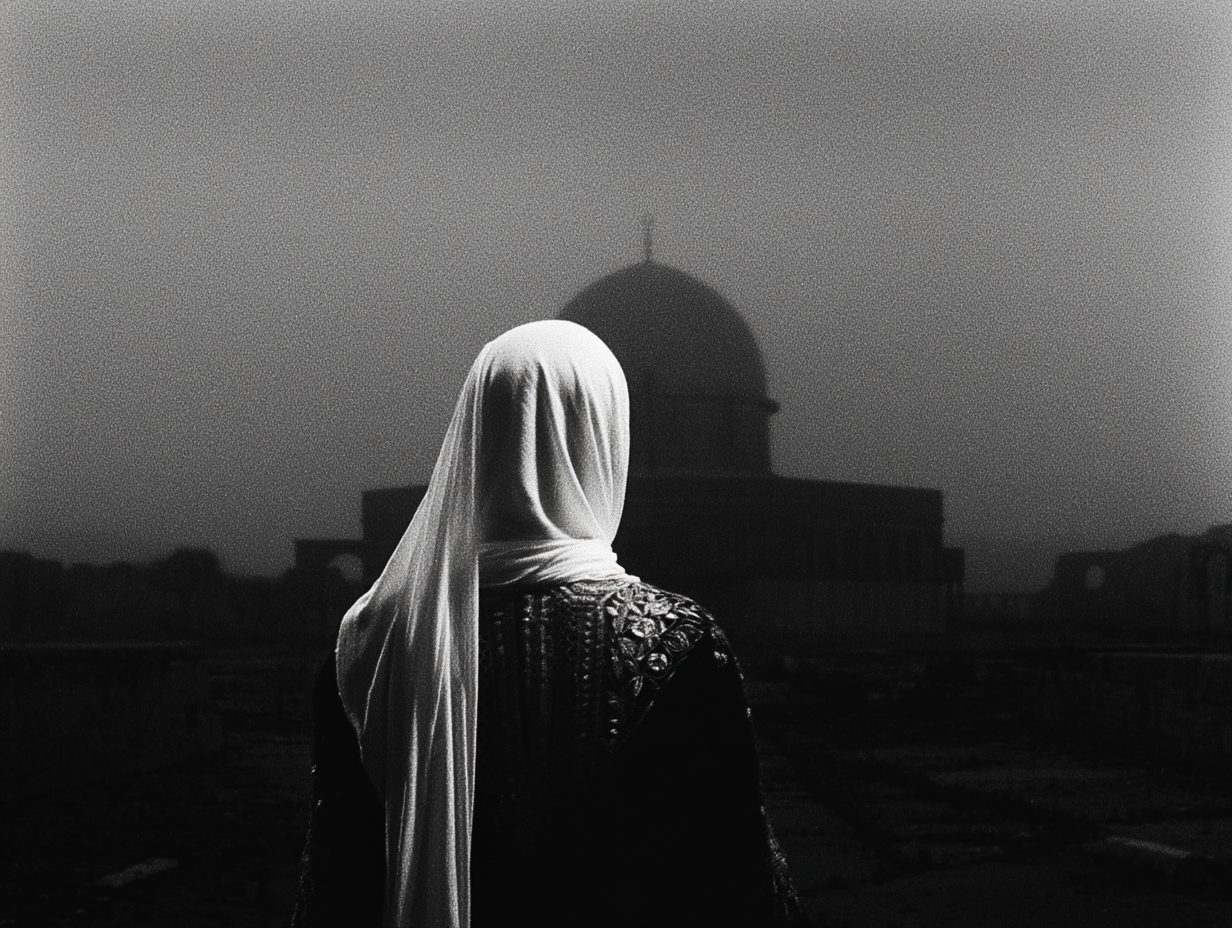
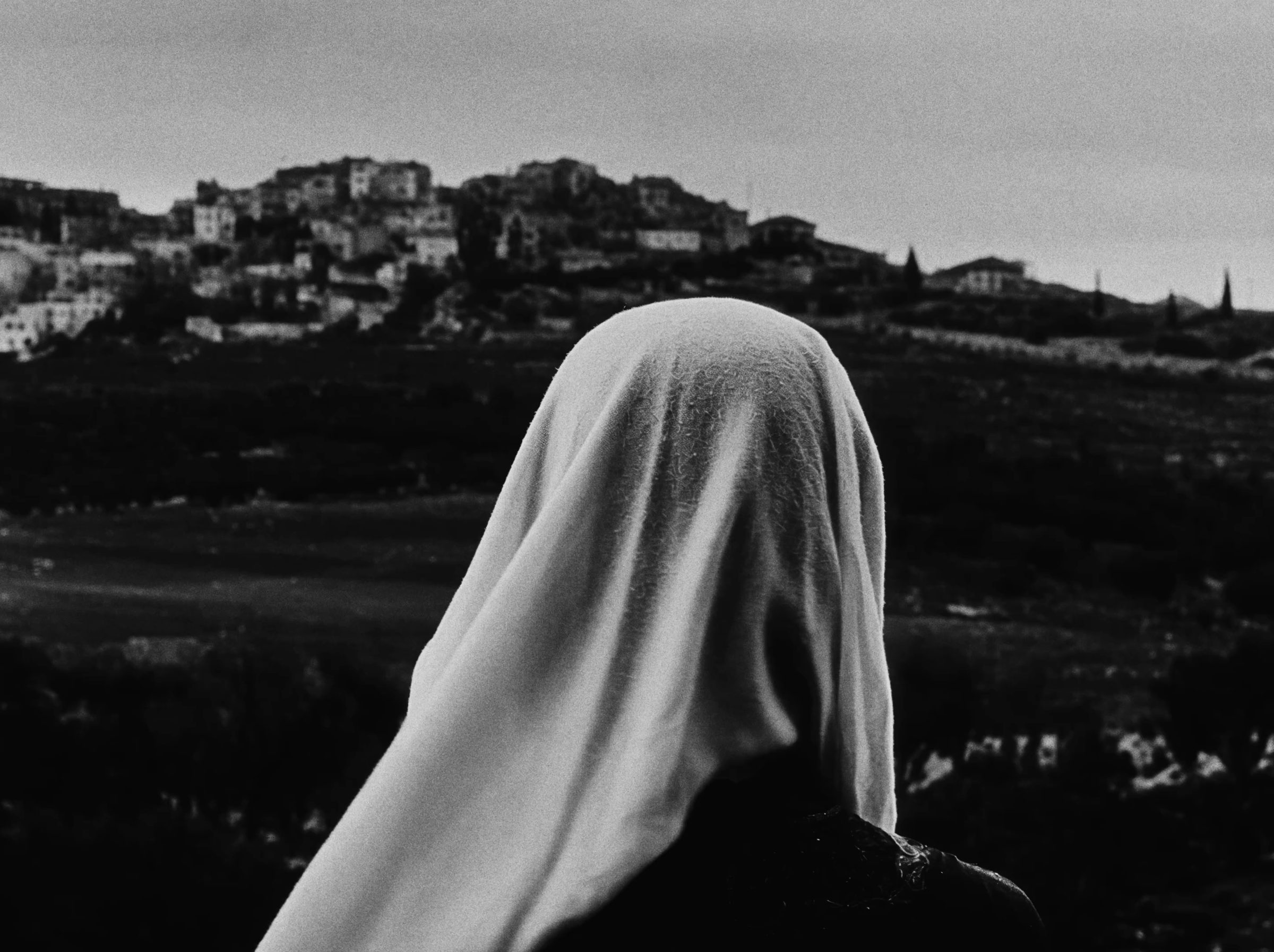
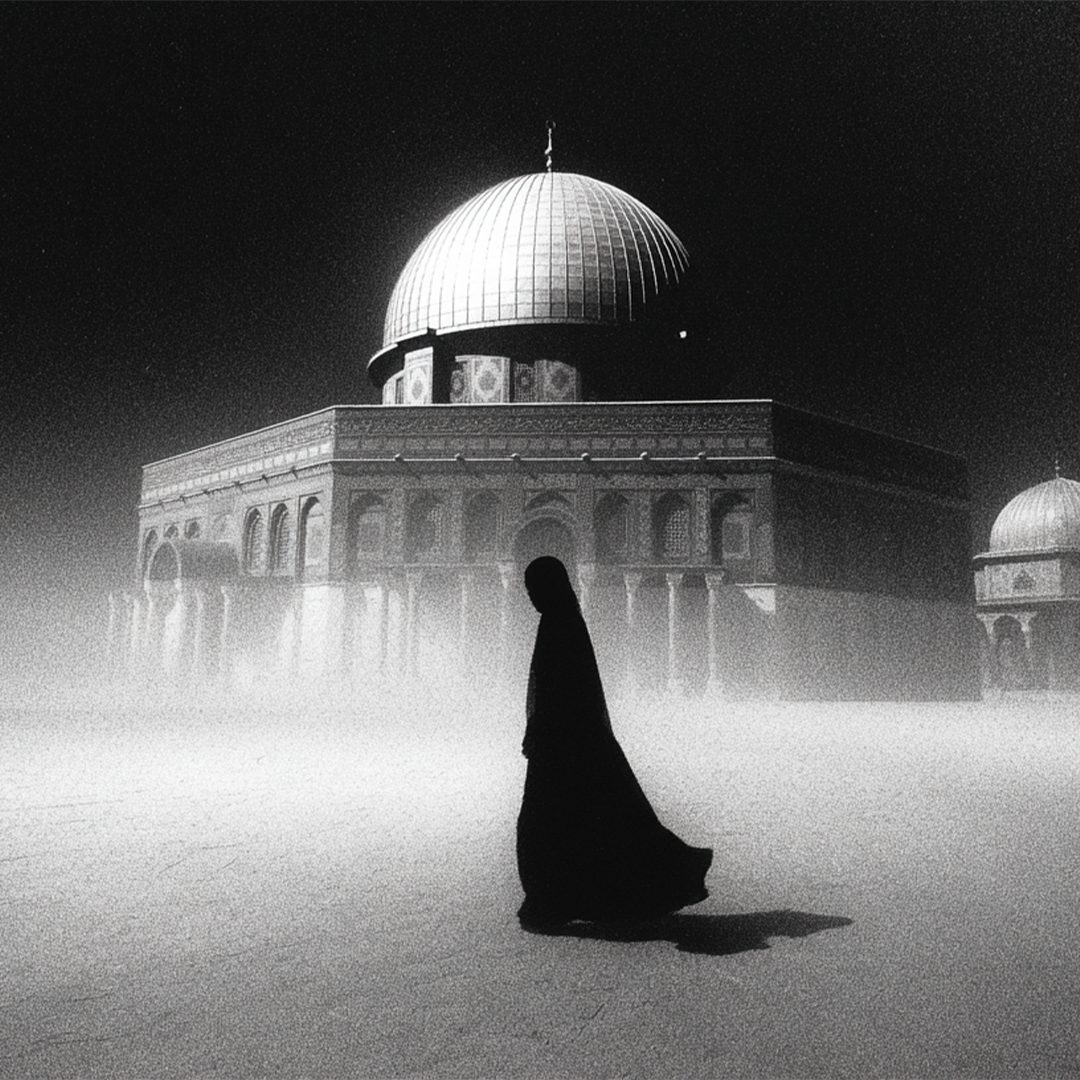
A veiled woman, seen from behind, looks toward a village on a hill.

The Dust She Kisses

A trilogy by Seif Abdalla

The Realm · The Morisca · Deyr Yasin

Scroll

“Leave, my love, before they strip us of our memories…
before we forget who we are.”

— The Realm

There are histories the camera missed,

and there are histories the camera was never allowed to see.

A prison that kept no record of the people it swallowed.

A people baptised, separated and renamed until they forgot who they were.

A village erased from the map in a single morning.

These three films go where the archive is silent.

One woman,
three centuries.

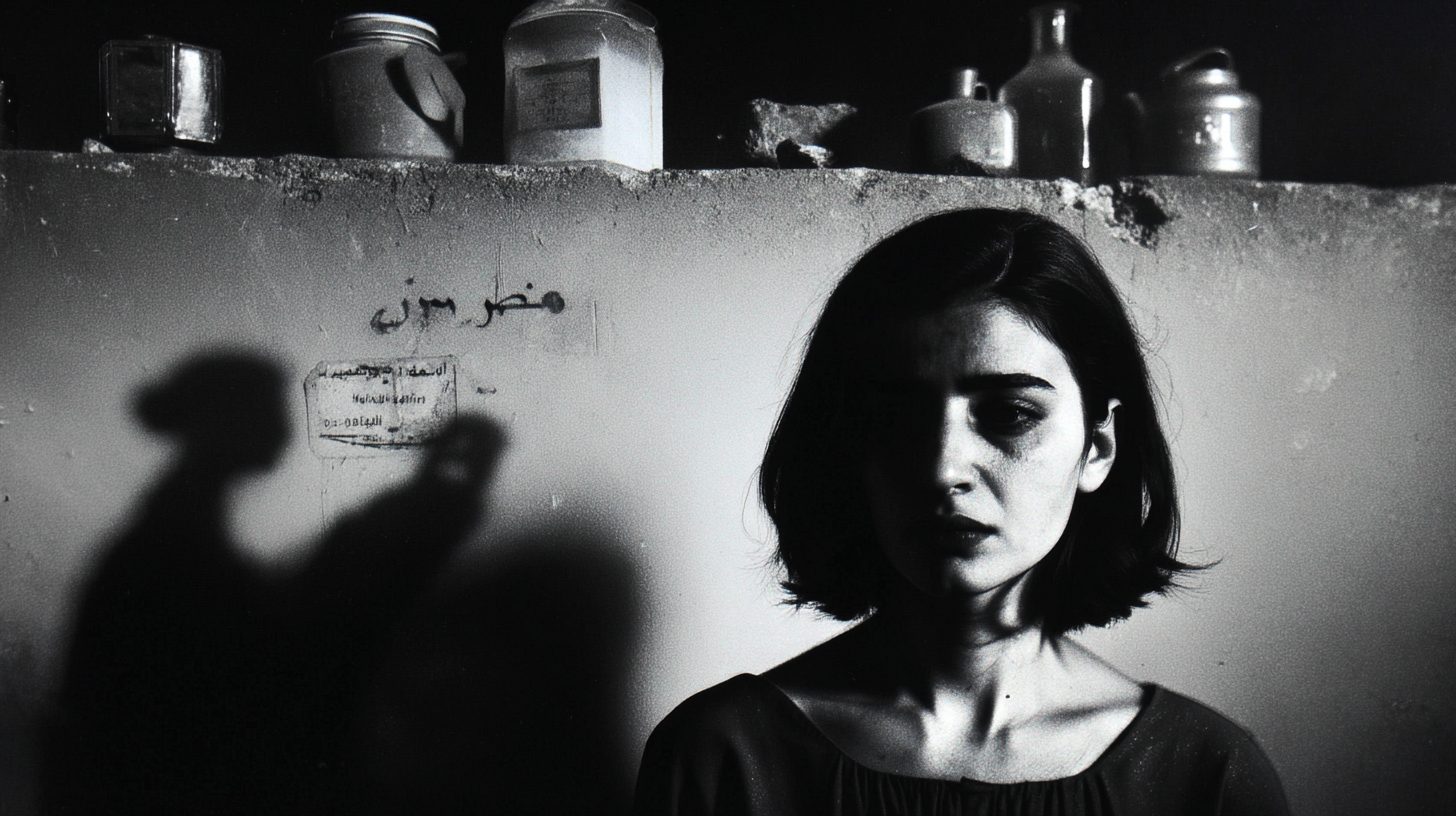
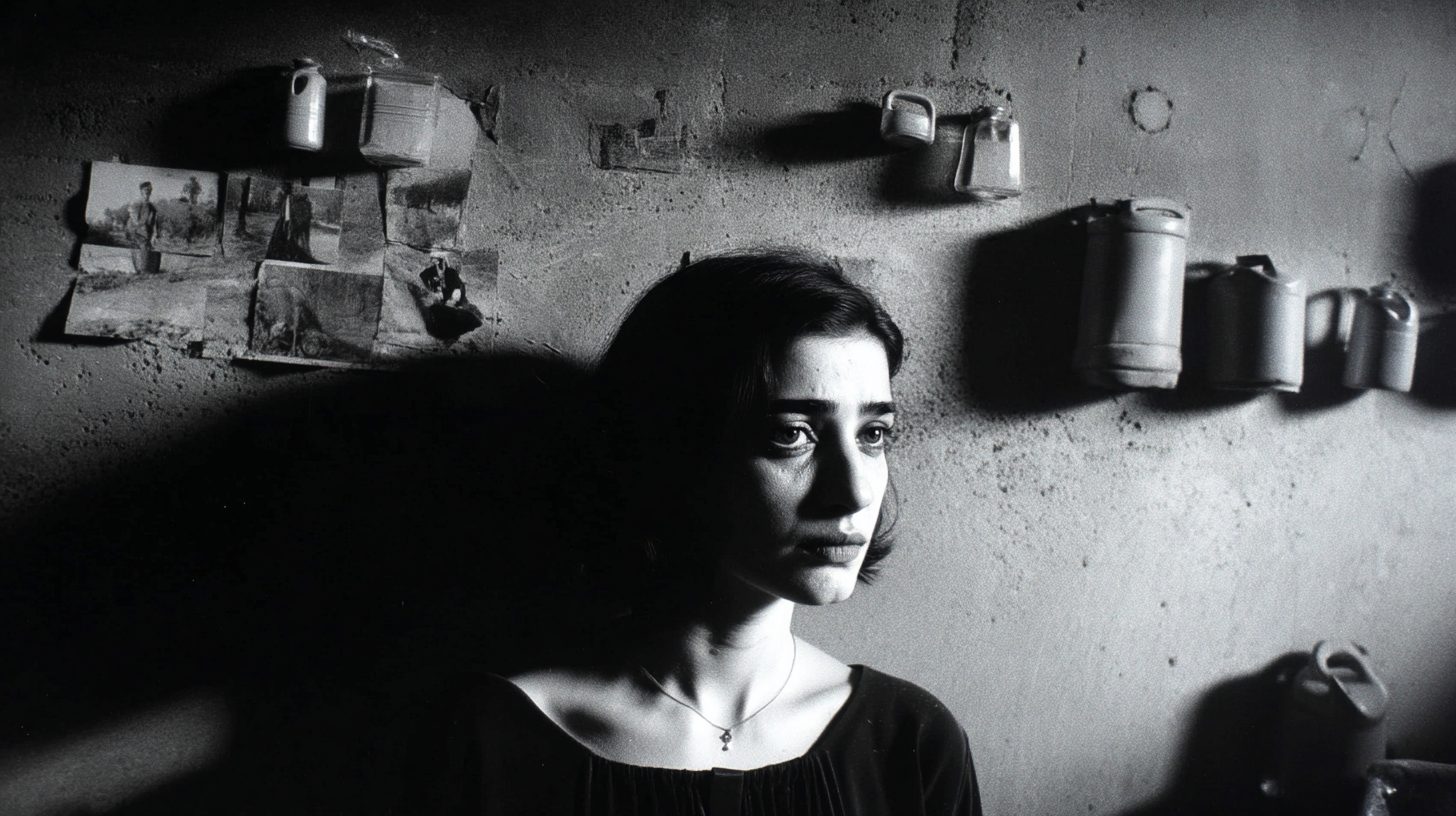
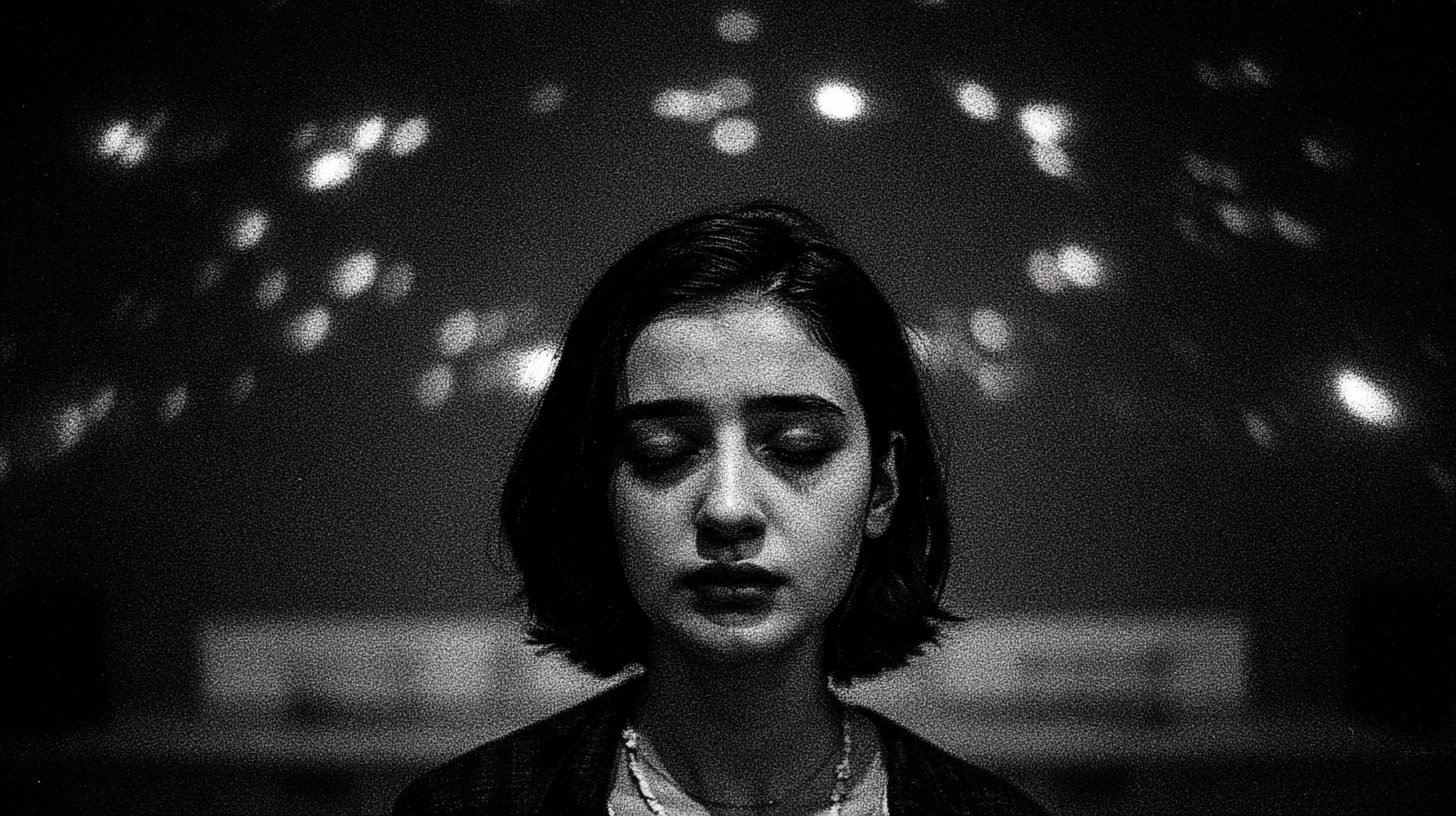
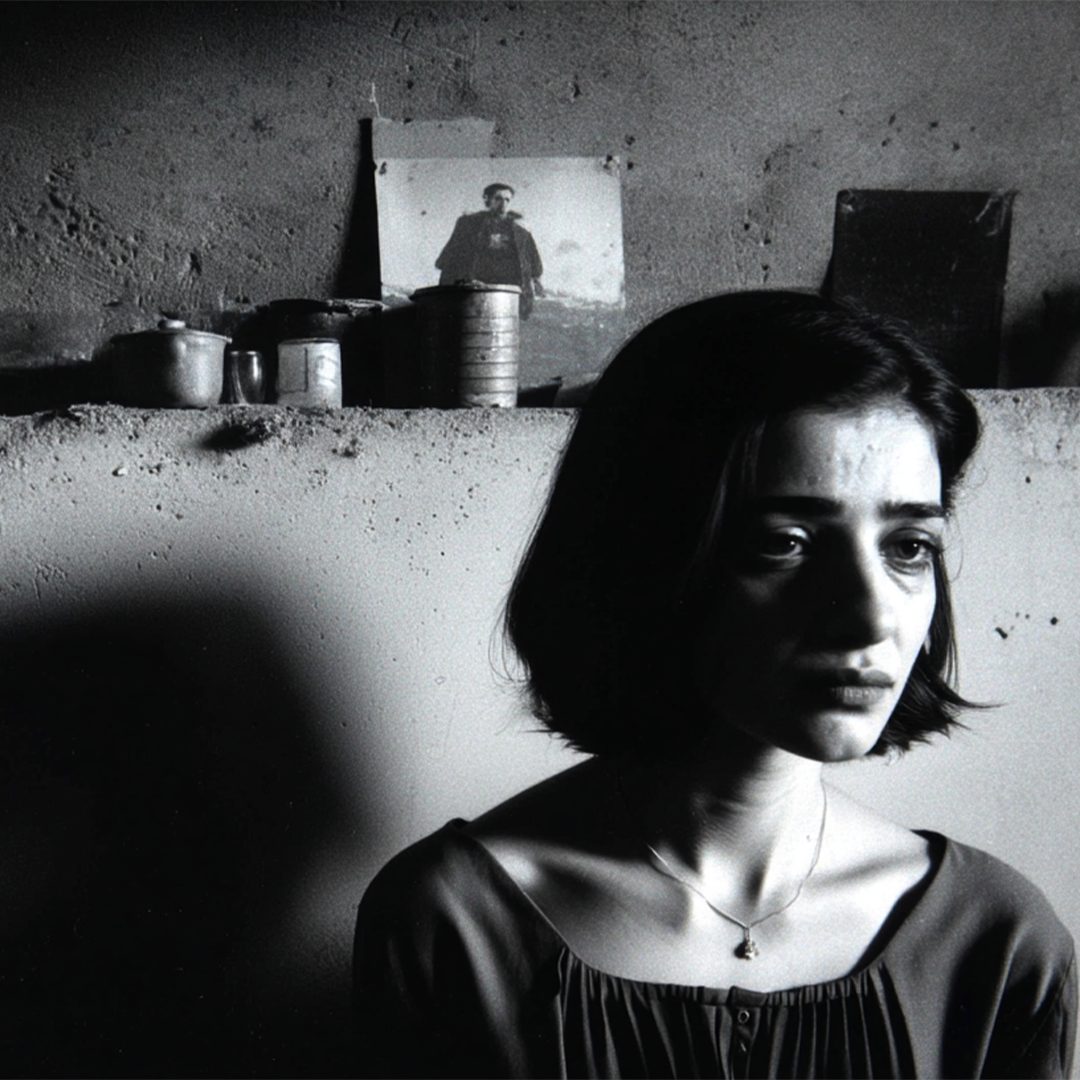
A young woman with short dark hair before a prison wall.
I The Realm
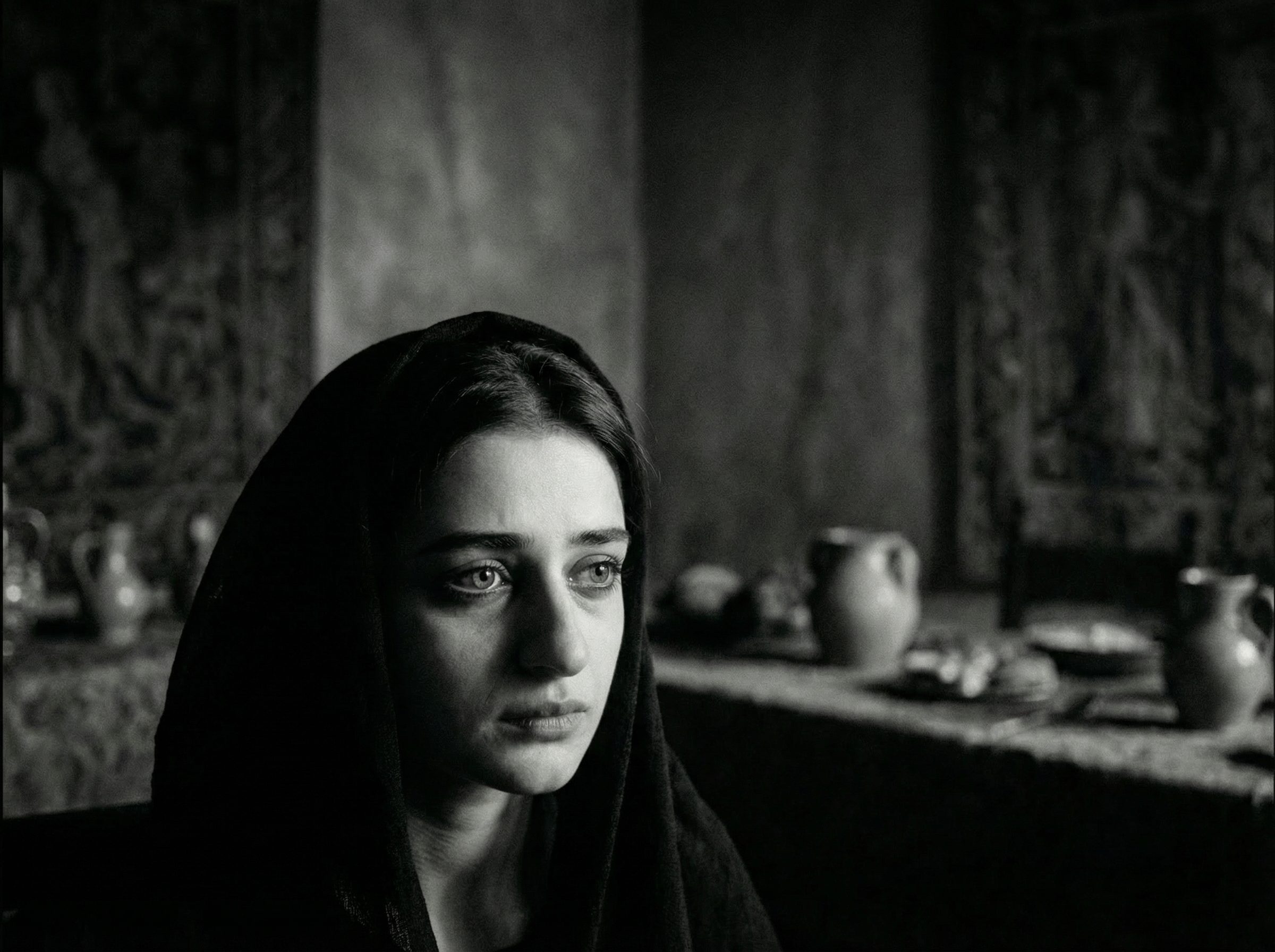
Close-up of a young Andalusian woman in a dark veil.
II The Morisca
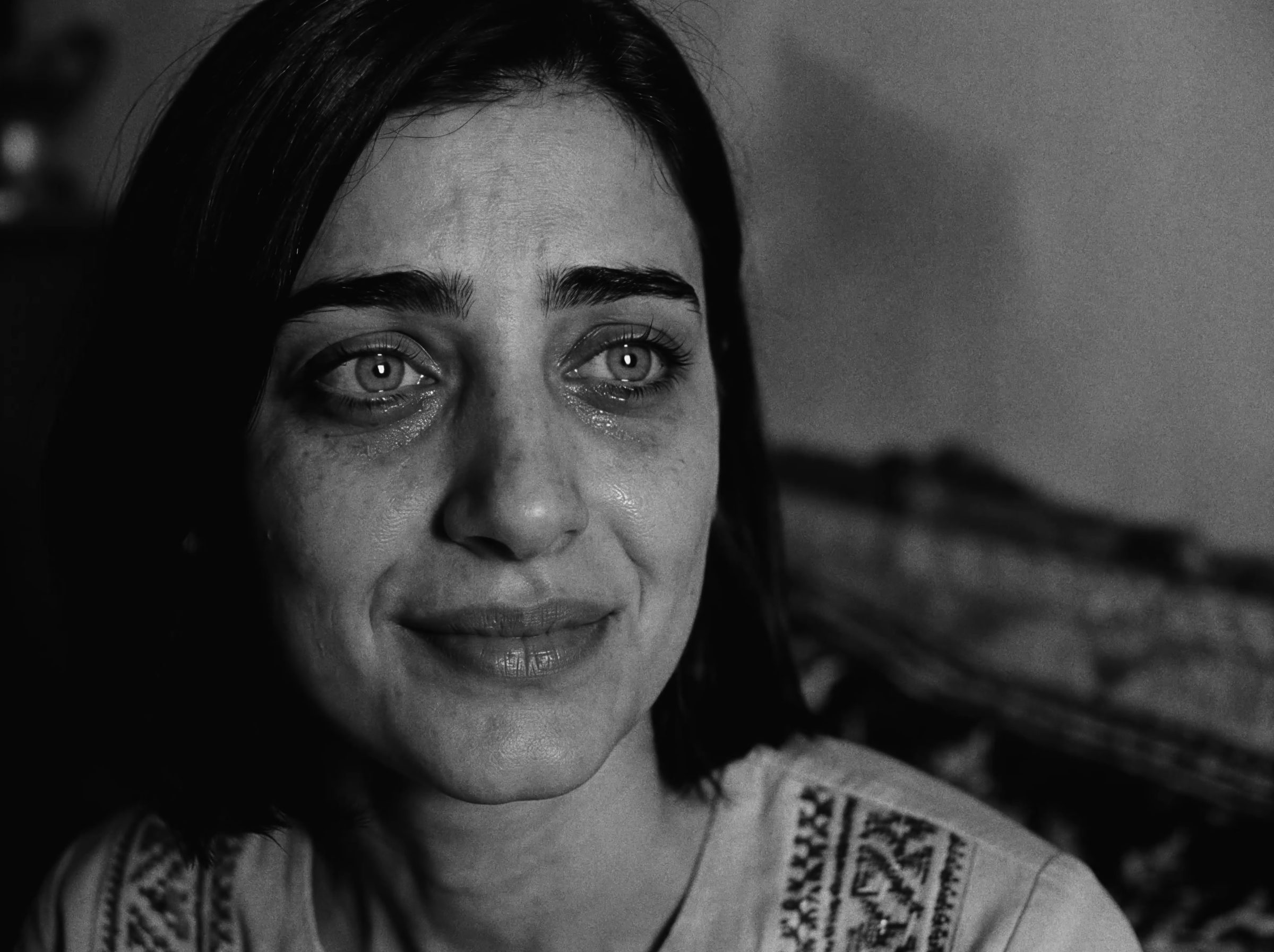
A Palestinian mother, eyes wet, half-smiling.
III Deyr Yasin

She’s a daughter coming home from exile to look for her father. She’s a musician who hides her faith in the silence between the strings. She’s a mother handing her daughter a name.

The histories change around her, but her face doesn’t. She’s the witness. She looks at what the world would rather forget, and she doesn’t look away.

I.

The Realm

3:30 · Black & White
Original score by Adnan Joubran

Those who search for the disappeared become disappeared themselves.
Synopsis

When the regime falls, a daughter comes home from exile to look for the father who told her to leave. She walks through the regime’s abandoned prisons with other families of the disappeared, all of them seeking answers and seeking peace.

Then the search gives way. The ruins open onto the Realm, a city outside time where the vanished wait. She finds her father there as a boy in a black uniform who doesn’t remember the man he grew into. She finds herself there too, veiled and only half present, a ghost among ghosts.

The film unfolds as one unbroken shot between the world and what lies beneath it. The Realm is about the second disappearance, the one that happens to the people left behind searching.
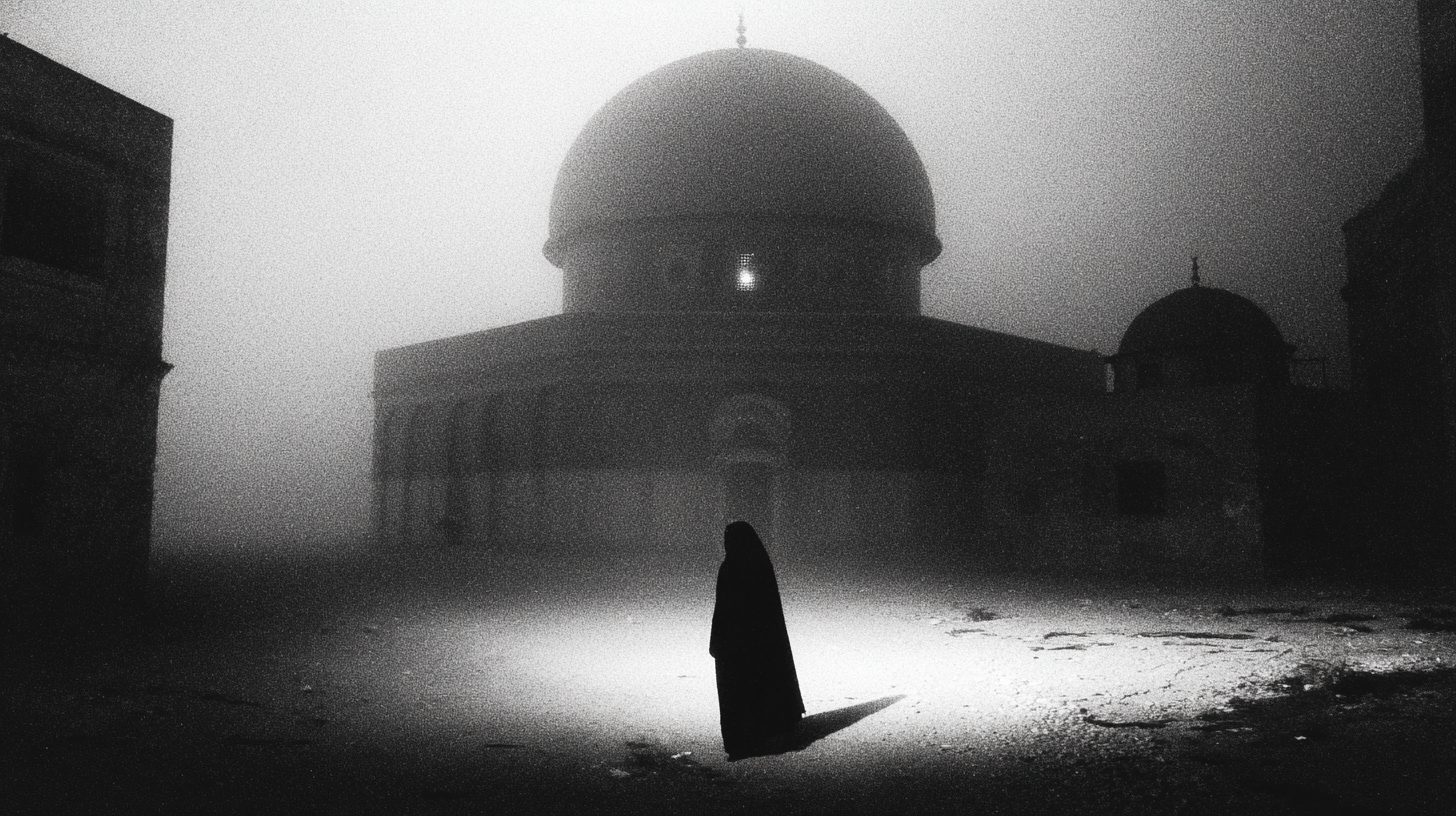
“I escaped with my body, but my heart and soul remained with you, Baba.”
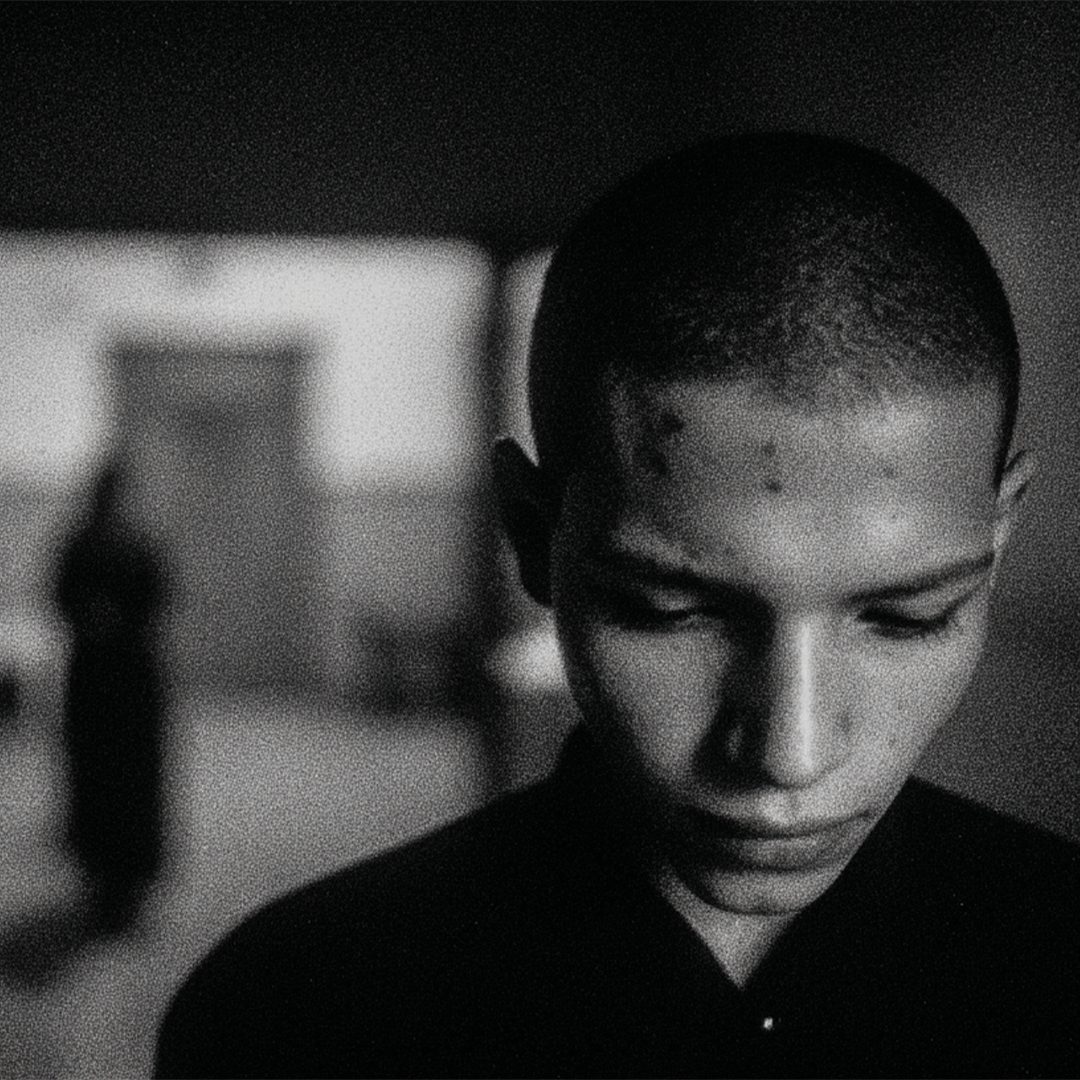
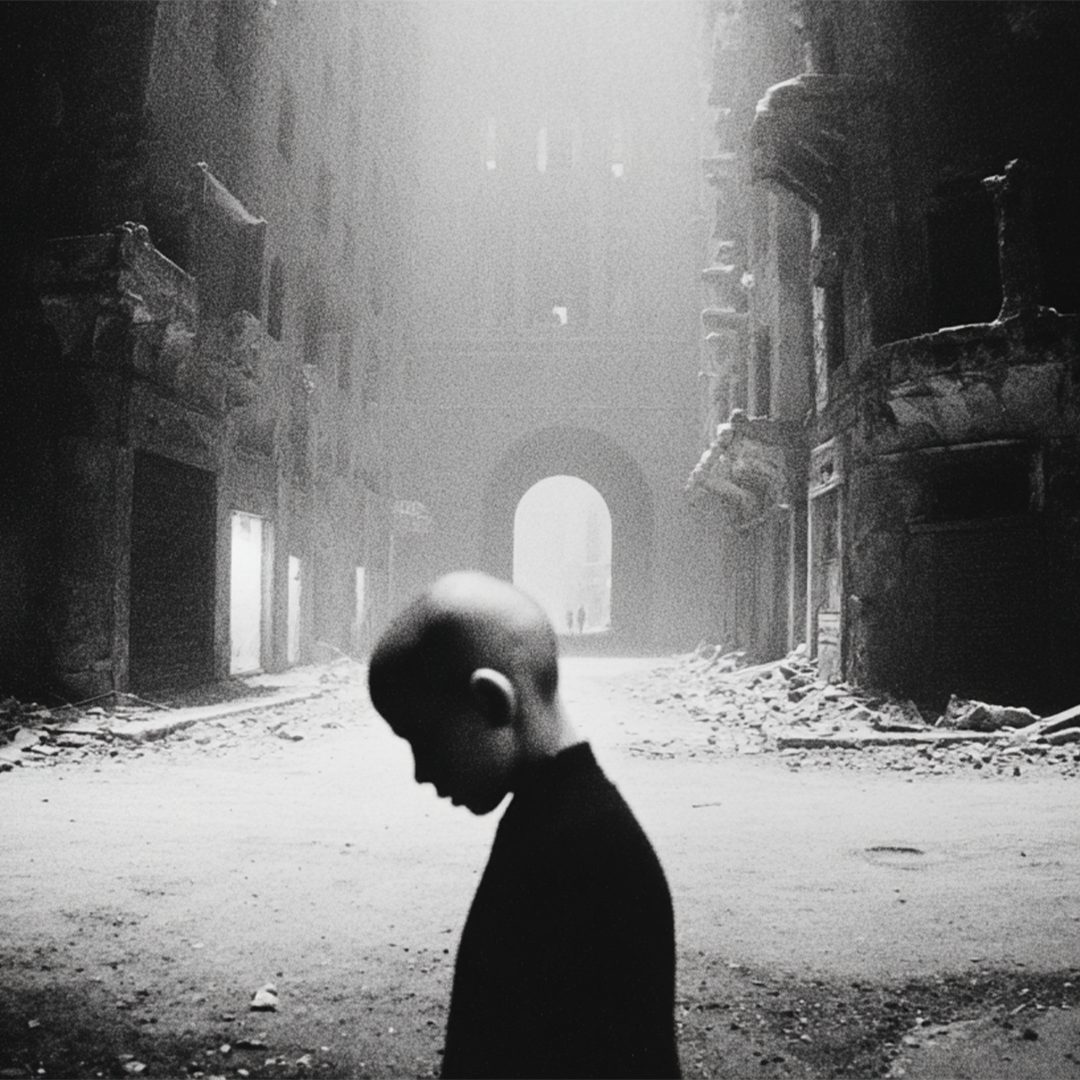
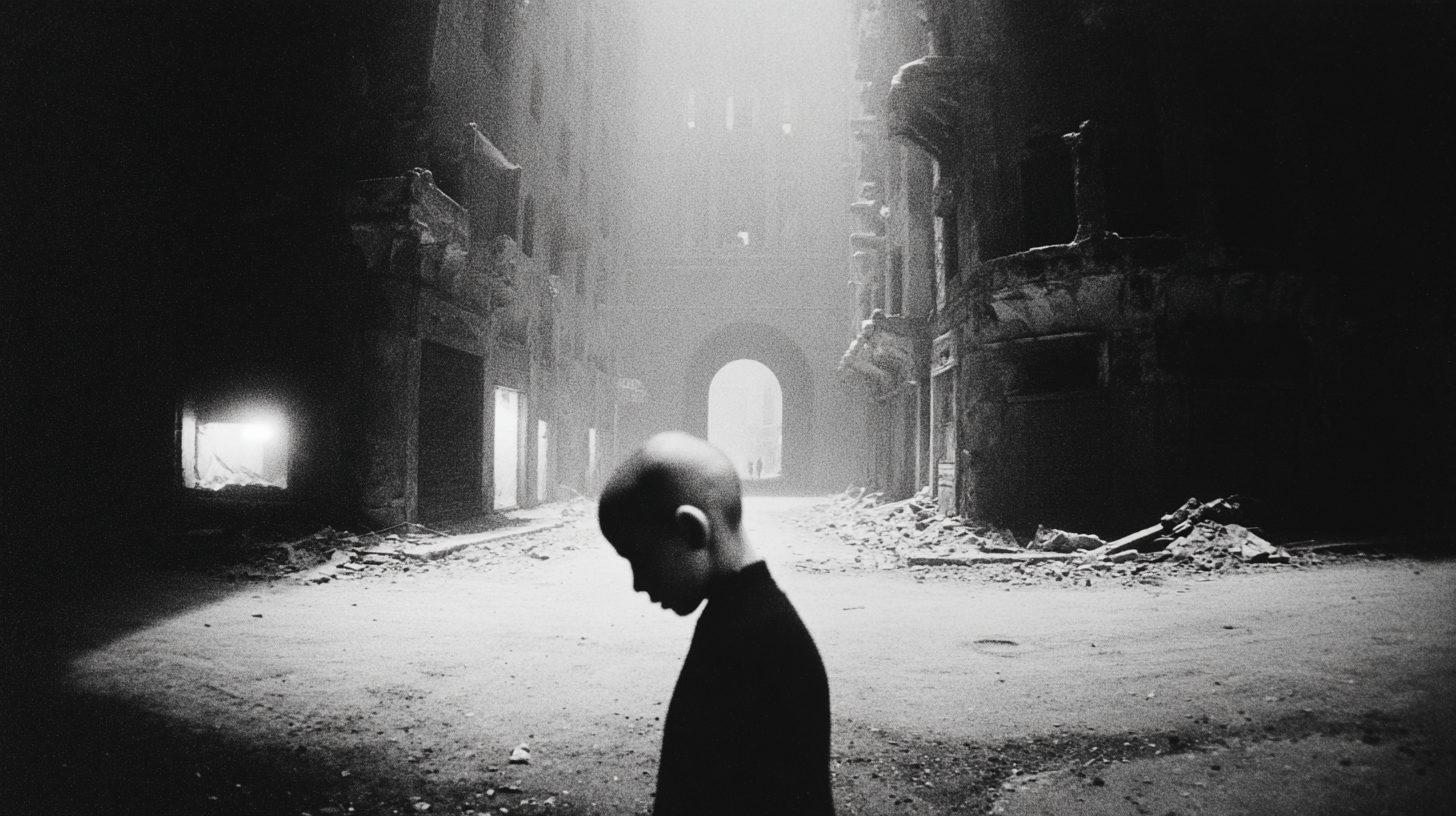
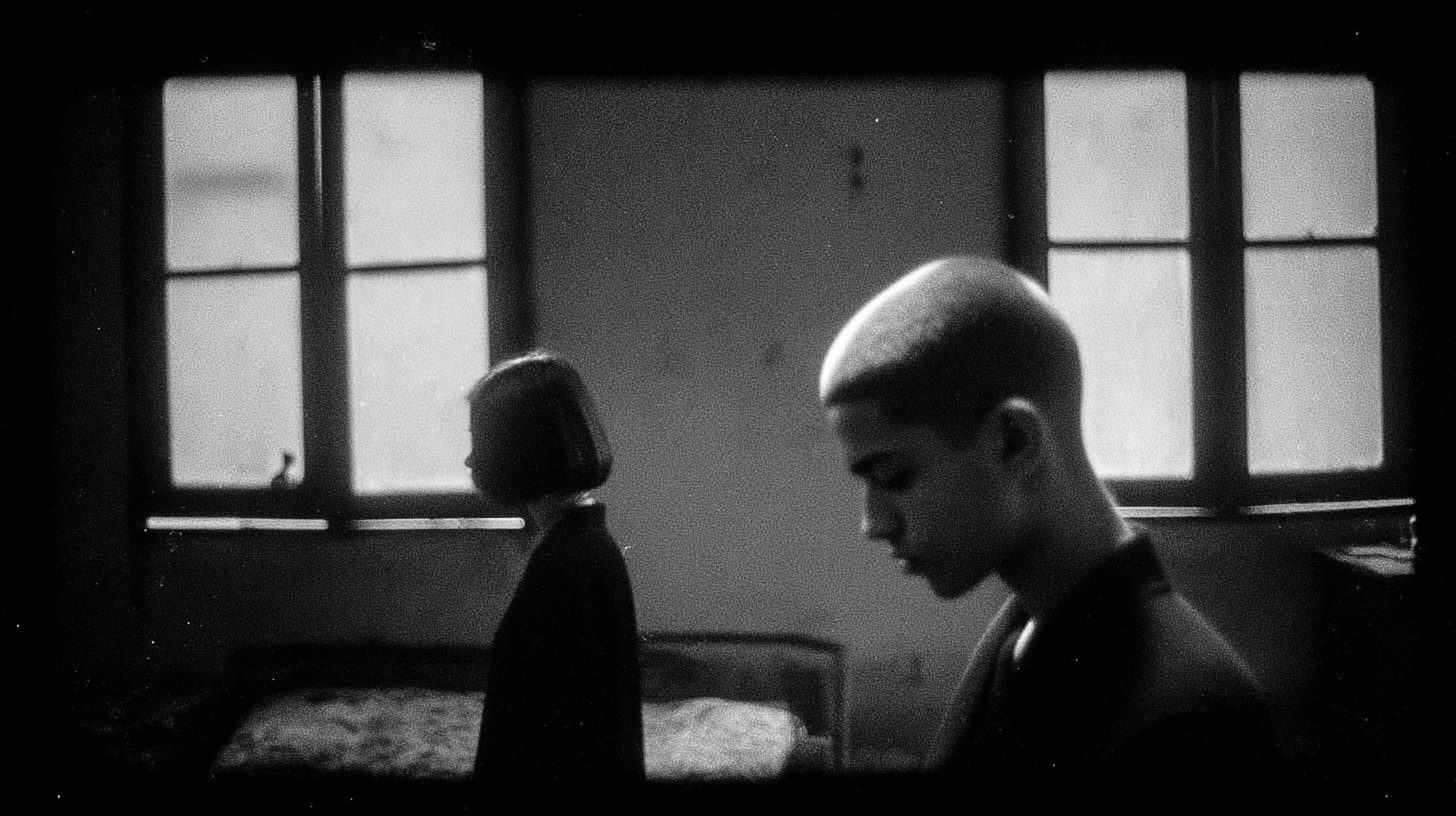
A shaven-headed boy in a black uniform, eyes lowered.
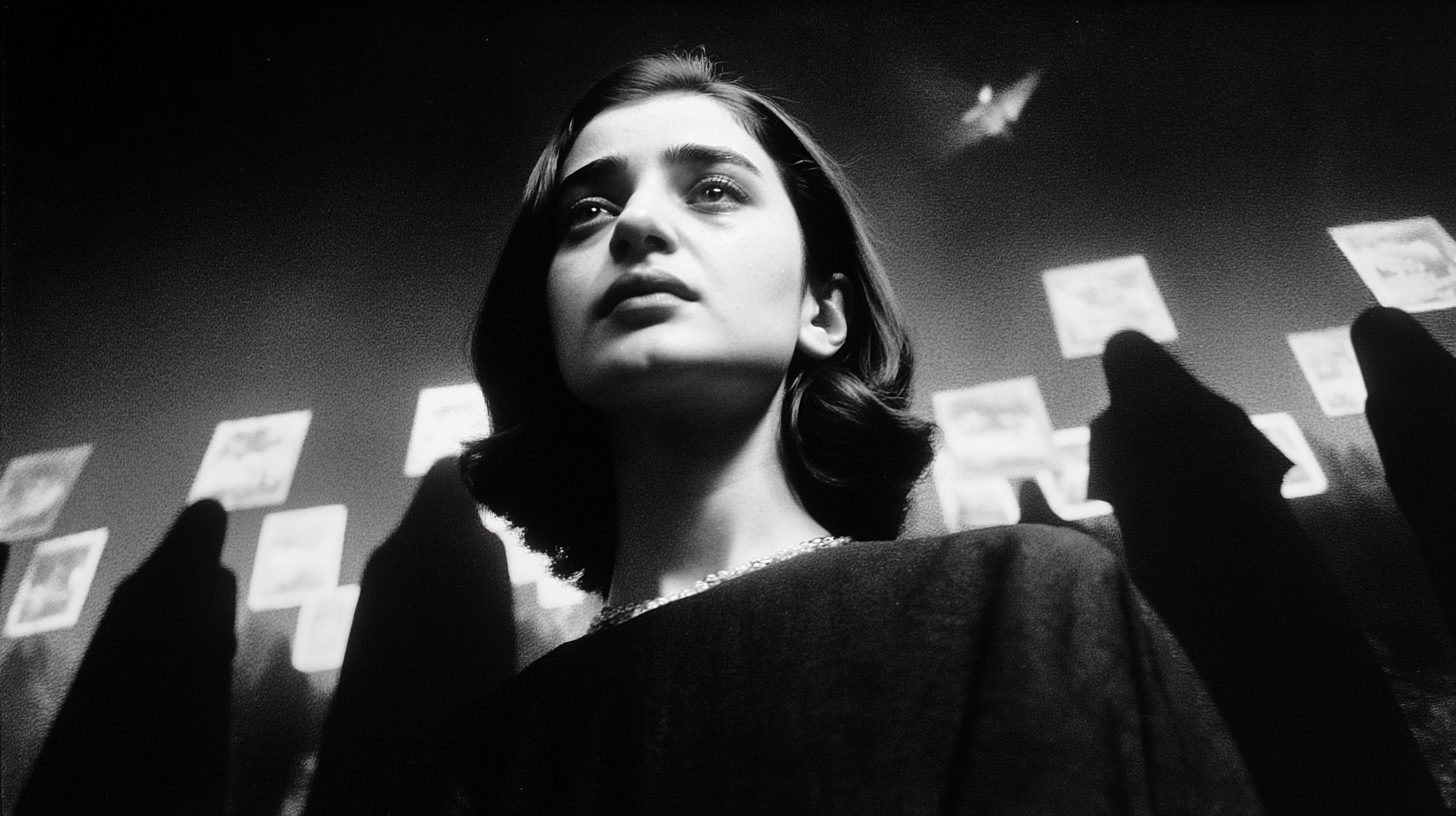
A young woman among families holding photographs of the disappeared.
A prison cell interior.
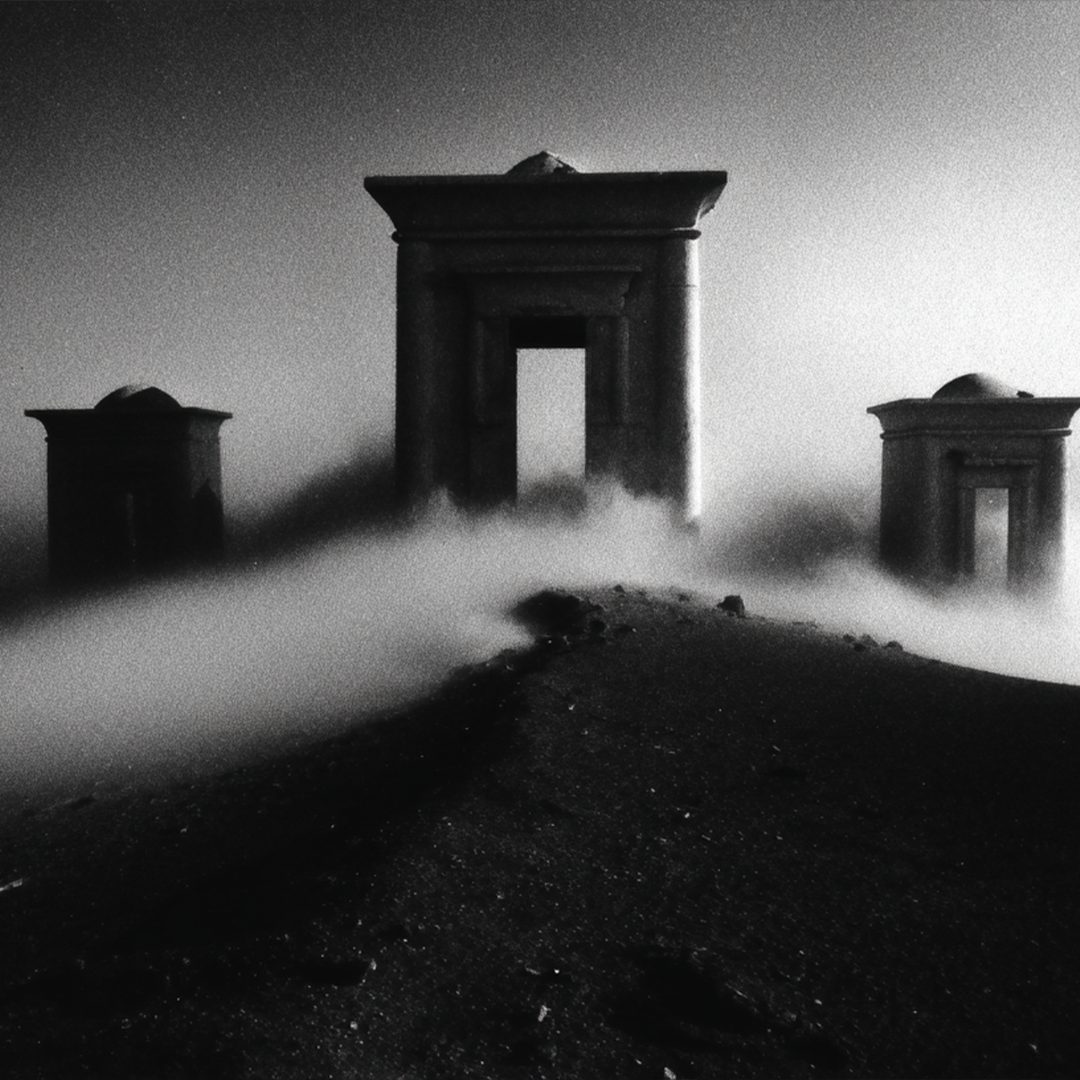
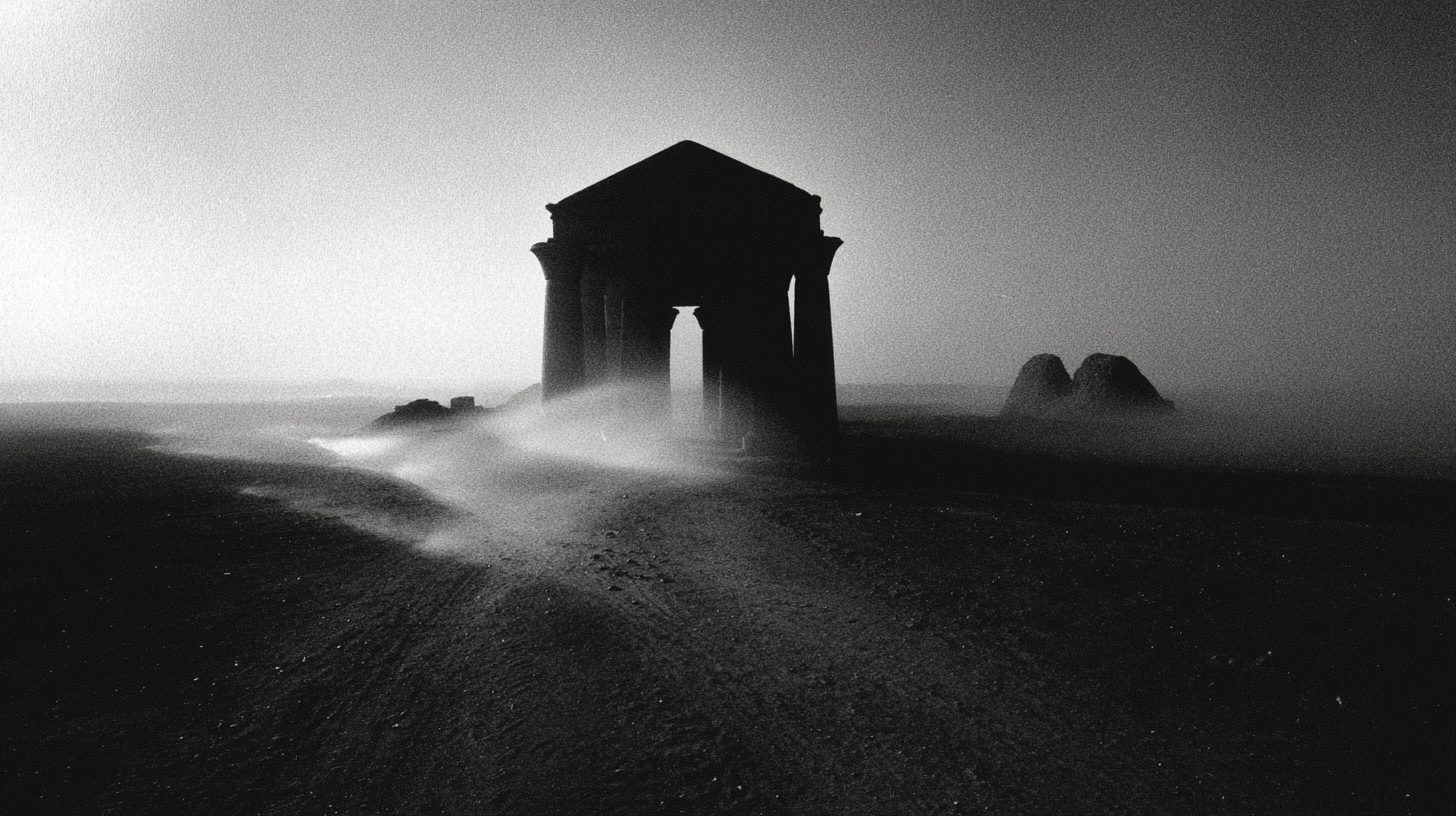
A lone stone gateway in a desert of fog.
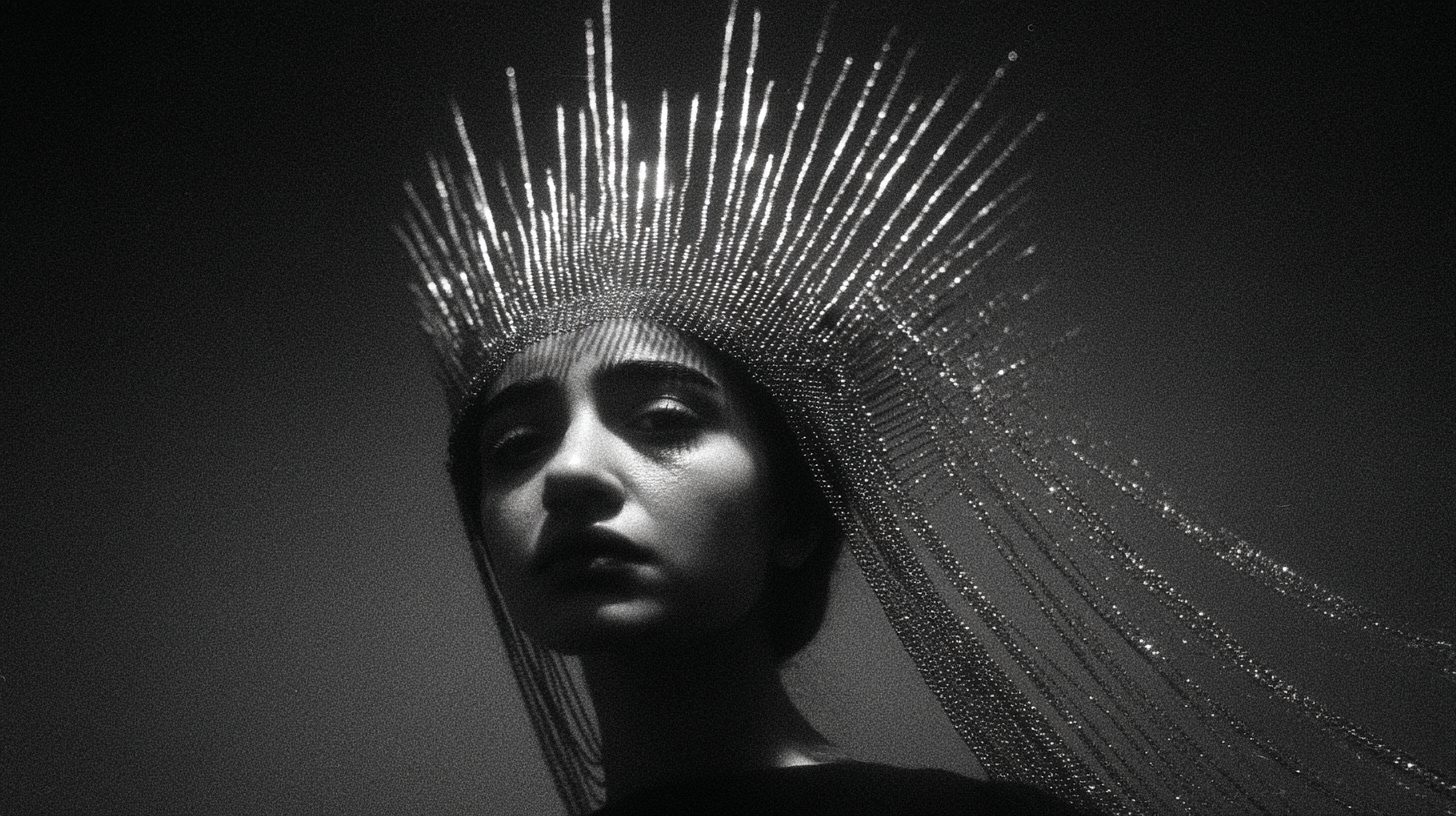
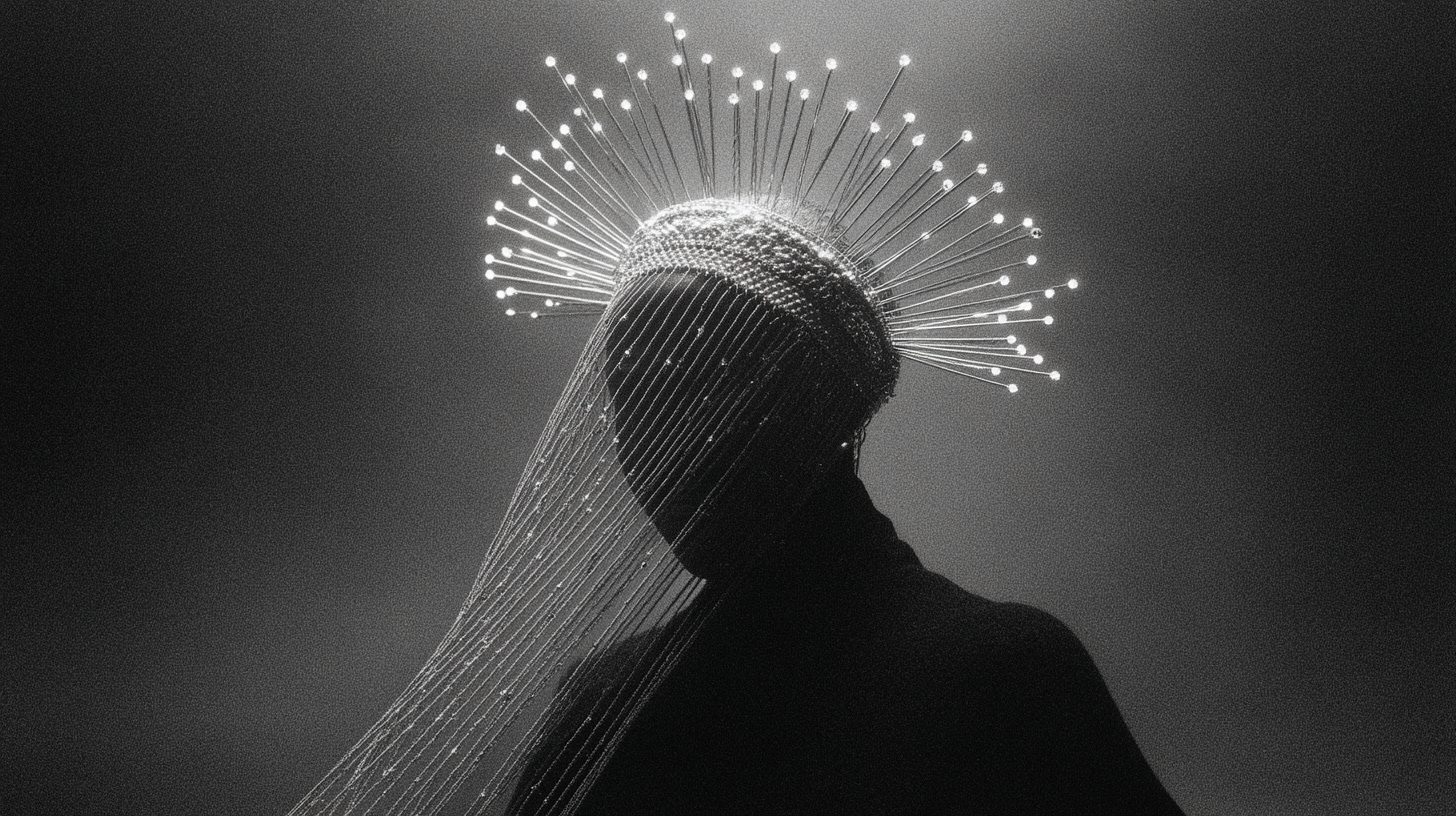
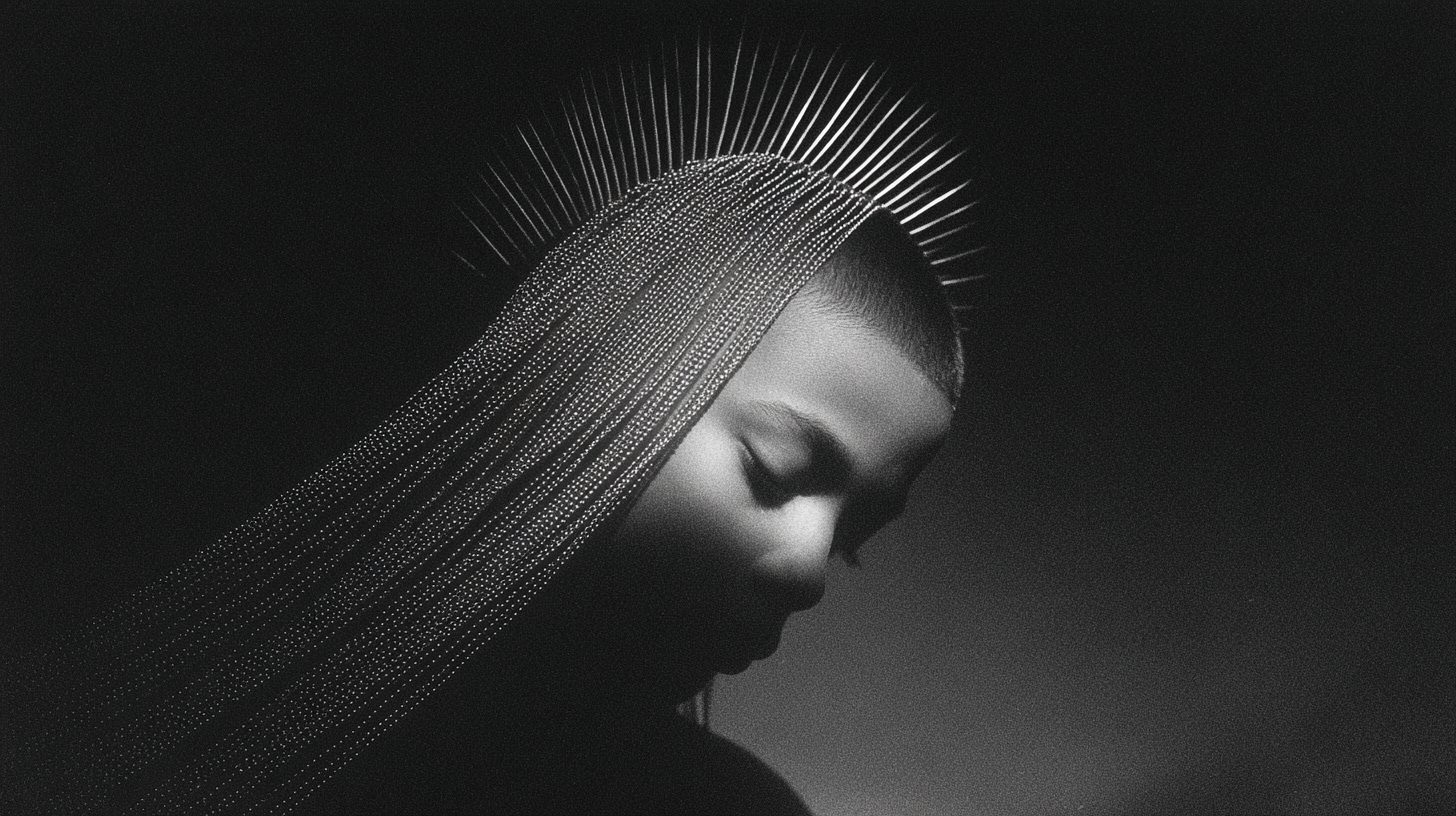
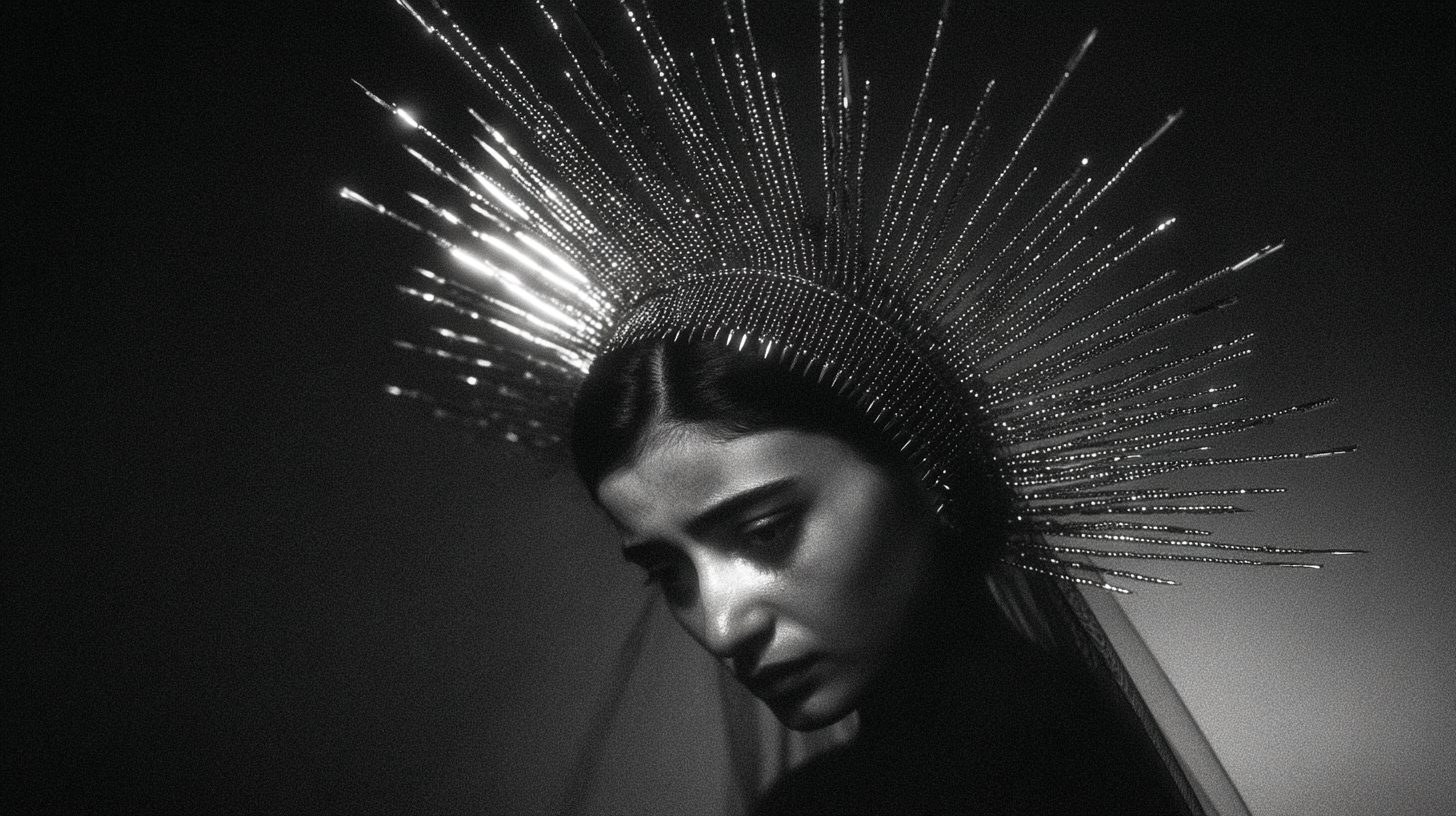
A woman wearing a crown of spikes.
A boy walking through ruins.
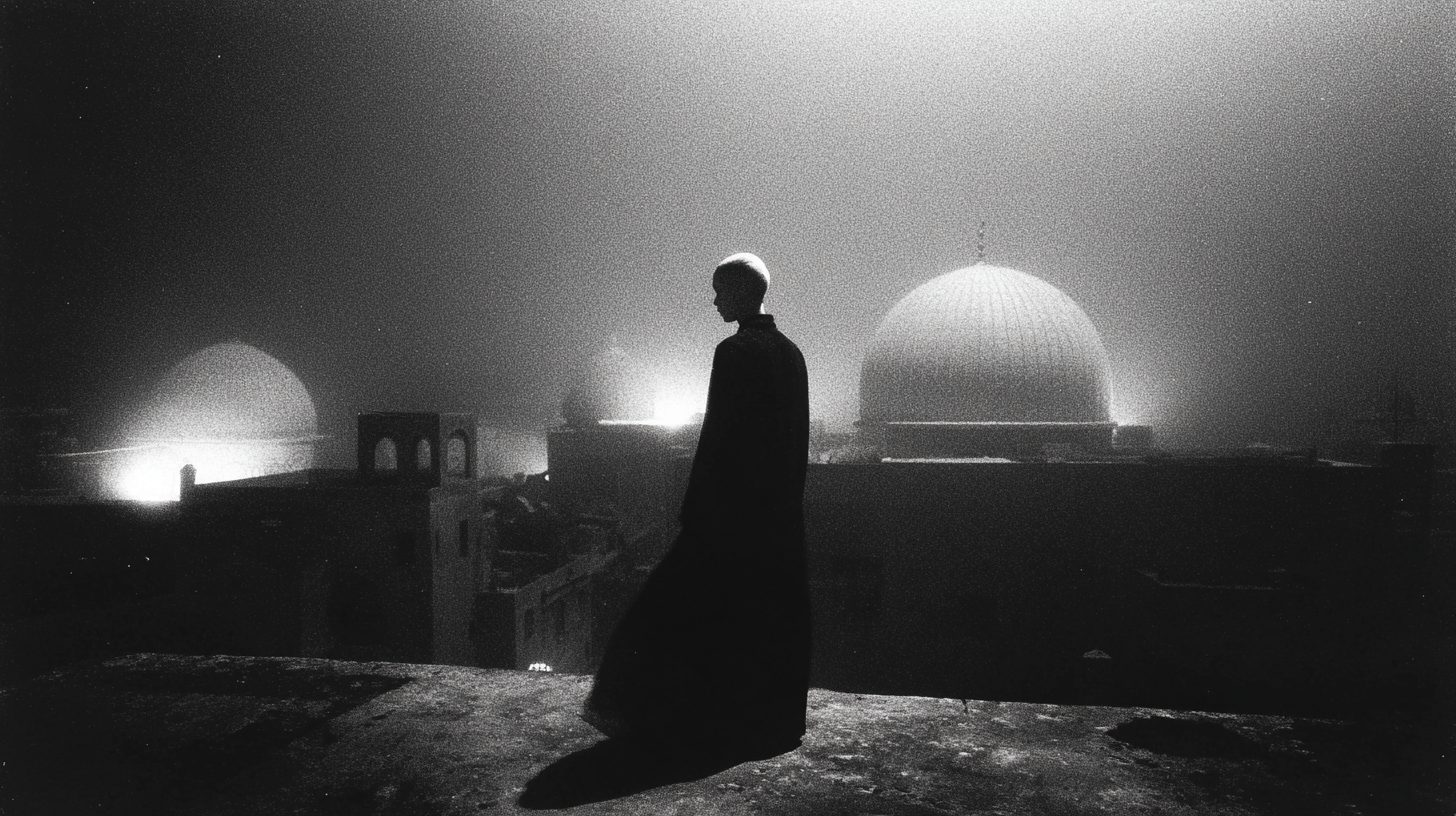
A boy standing in an abandoned city.
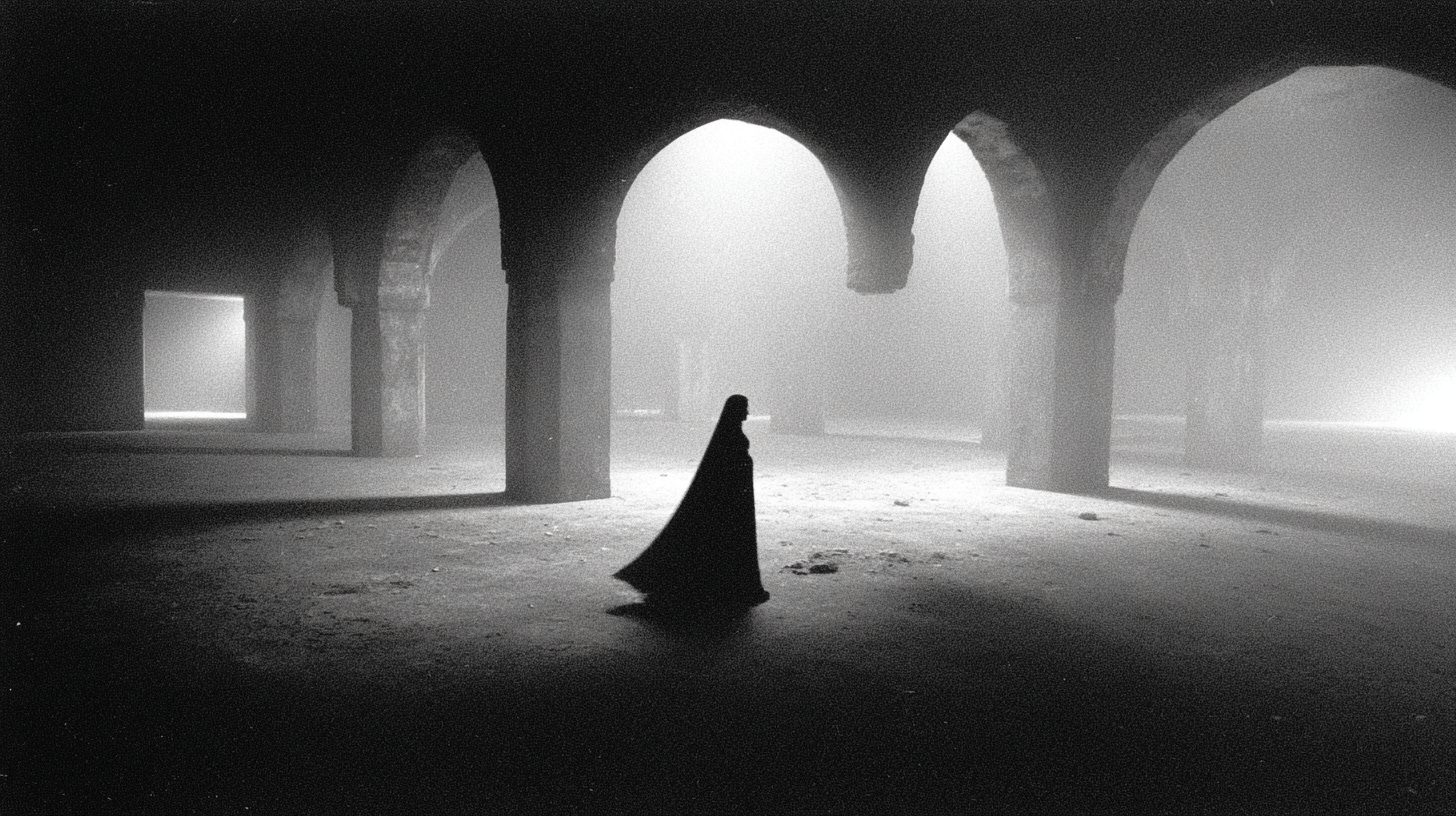
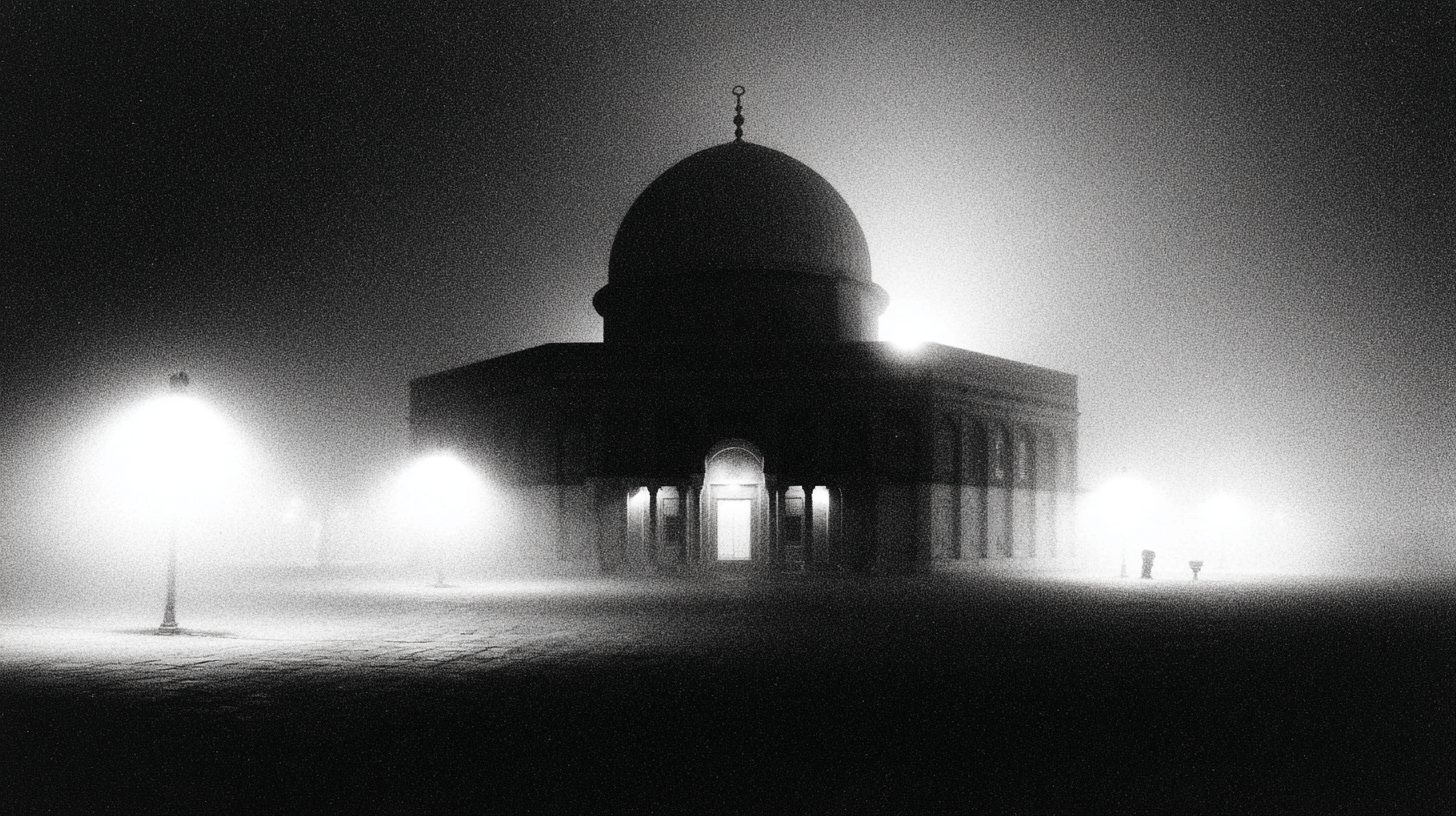
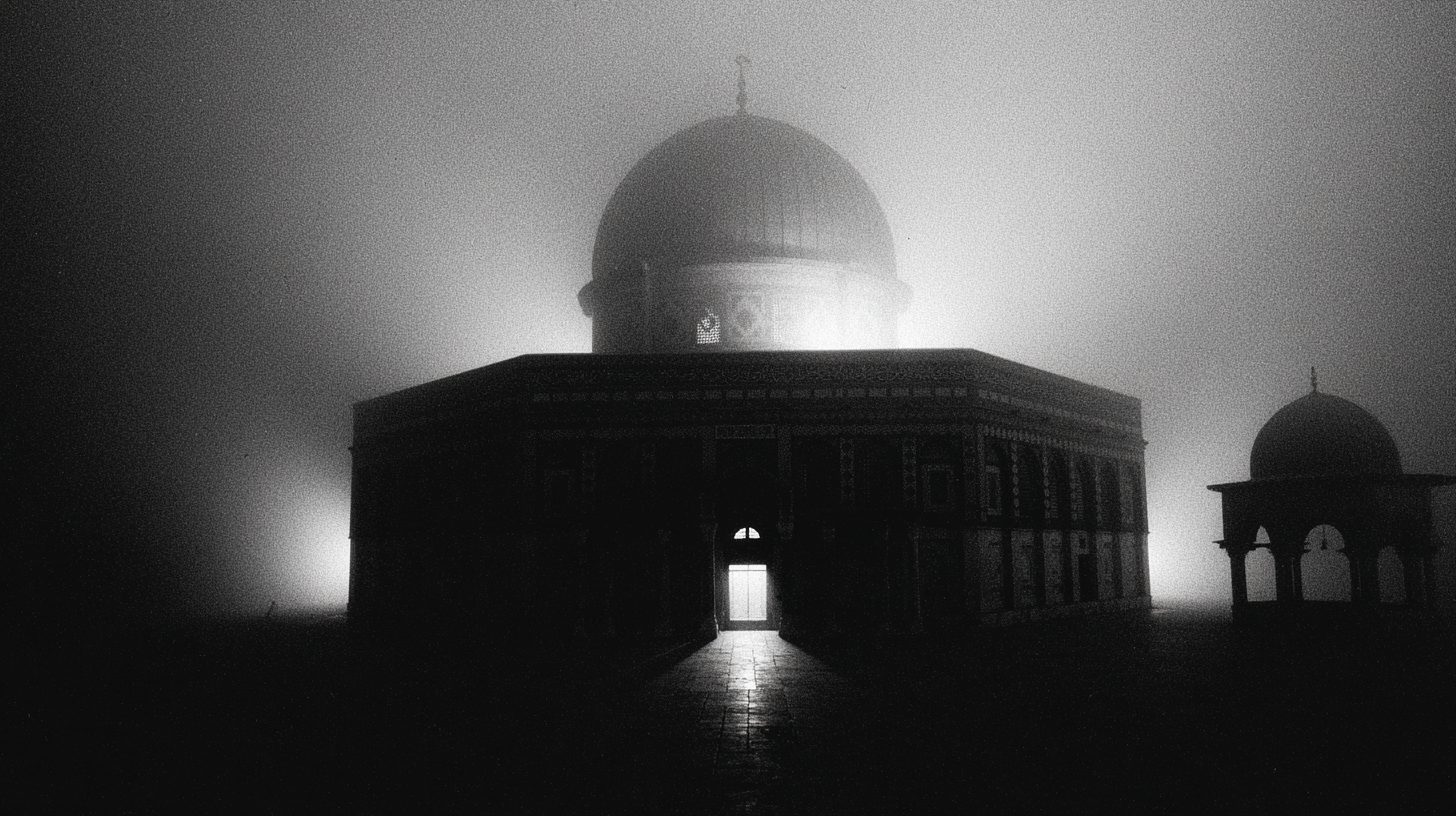
A veiled figure inside a vast mosque, seen from above.

“Were we not made from dust?
And to dust, shall we not return?”

To search.

The first form of remembering is refusing to stop looking.

Distributed by MK2 Films.
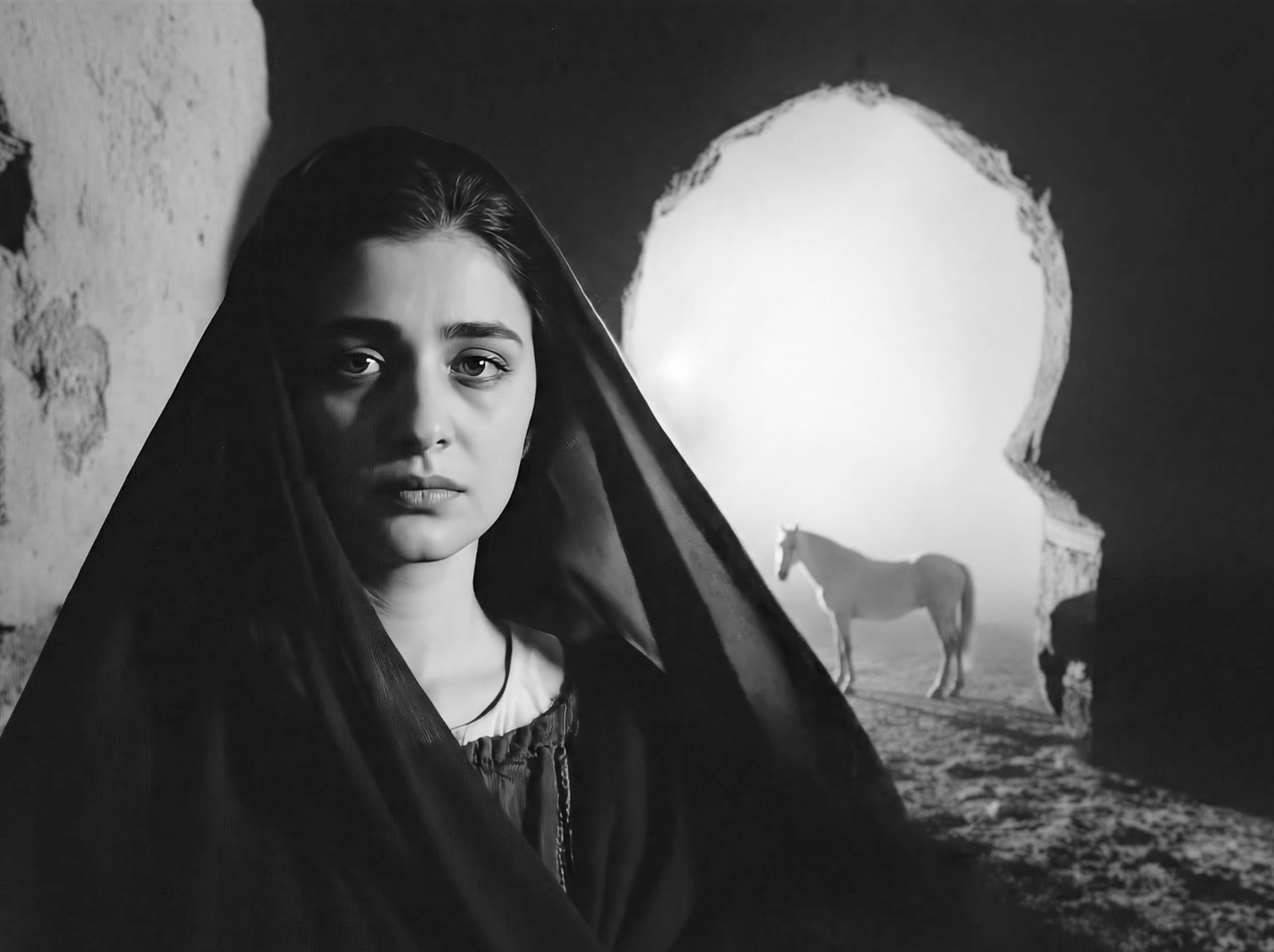
Four centuries earlier, in another land, another people was made to forget.

II.

The Morisca

الموريسكية

8:33 · Black & White
Produced by Munir Abbar · Sound design by Richard Blaha

A faith that survives by becoming a song.

WinnerBest Narrative ShortRome AI Festival
WinnerBest Documentary & Art DirectionAI International Film Festival

Synopsis

Spain, after the Alpujarras revolt. She was ten when it drowned in blood. Her parents were buried beneath their olive trees, and the children were taken, baptised, separated and renamed. Her brother was lost among them.

Now she travels the land with nothing but her oud, which is all the great women before her left behind, searching for the brother she was torn from. She speaks to him throughout the film, in the language of Sufi poetry, the way the poets speak of Joseph fallen like the moon into the well. They call her the Morisca. People look at her with suspicion, because in this country it’s a crime to speak aloud what the heart carries. So she plays. In public she’s a wandering musician. In the music she’s something else.

The film moves in chapters, through narrated poetry and the sound of the oud. The Morisca follows a faith that survives by going underground, into melody, into the body, into the space between notes. Drawing on Sufi and Andalusi thought, it asks what’s left of a people when their prayer can only be sung in disguise.

“I hide my faith in the silence between the strings. I hide my mother’s voice beneath my ribs, and I hide you in the part of me that never learned how to die.”
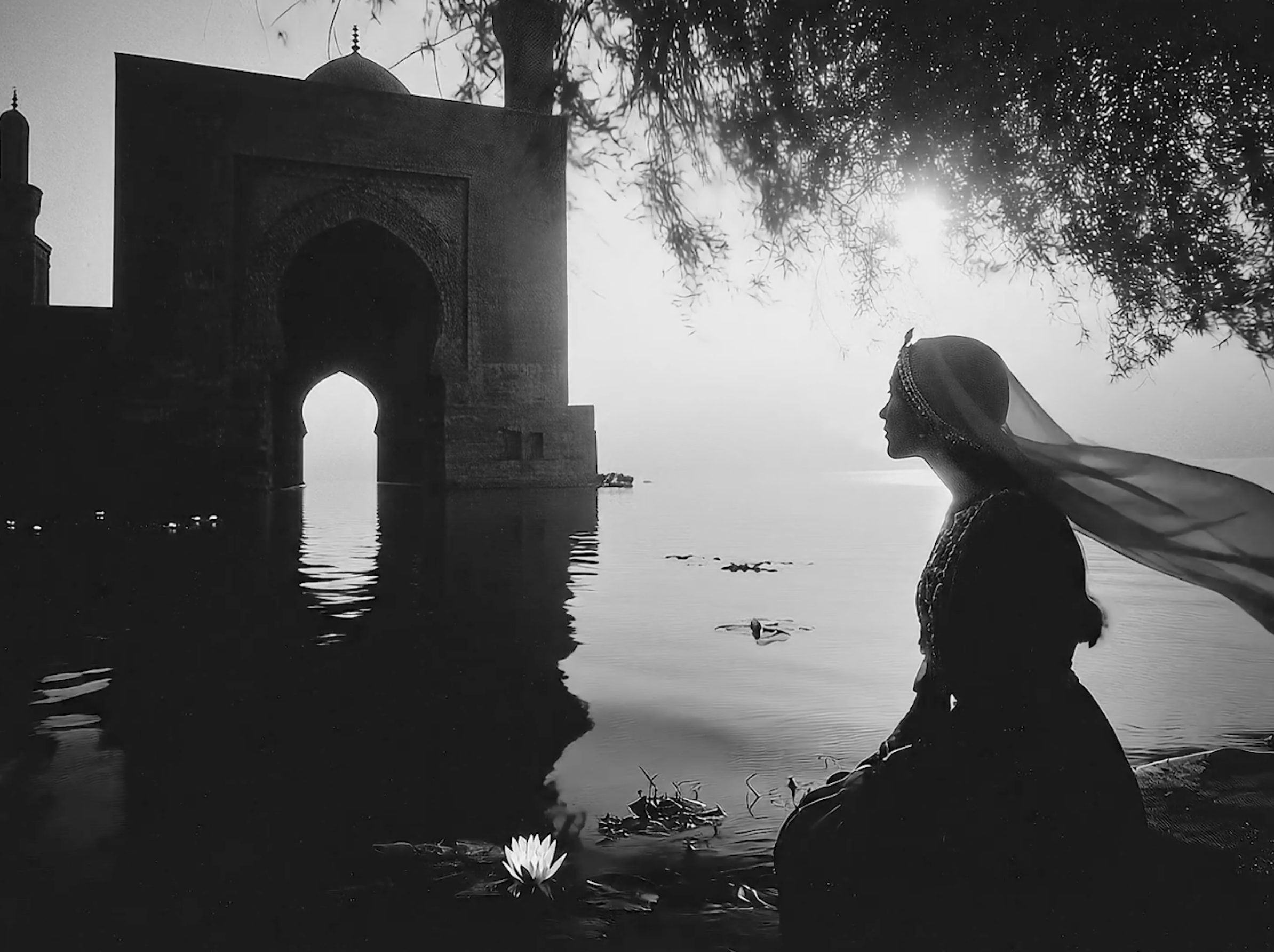
A woman seated by water beneath a Moorish arch.
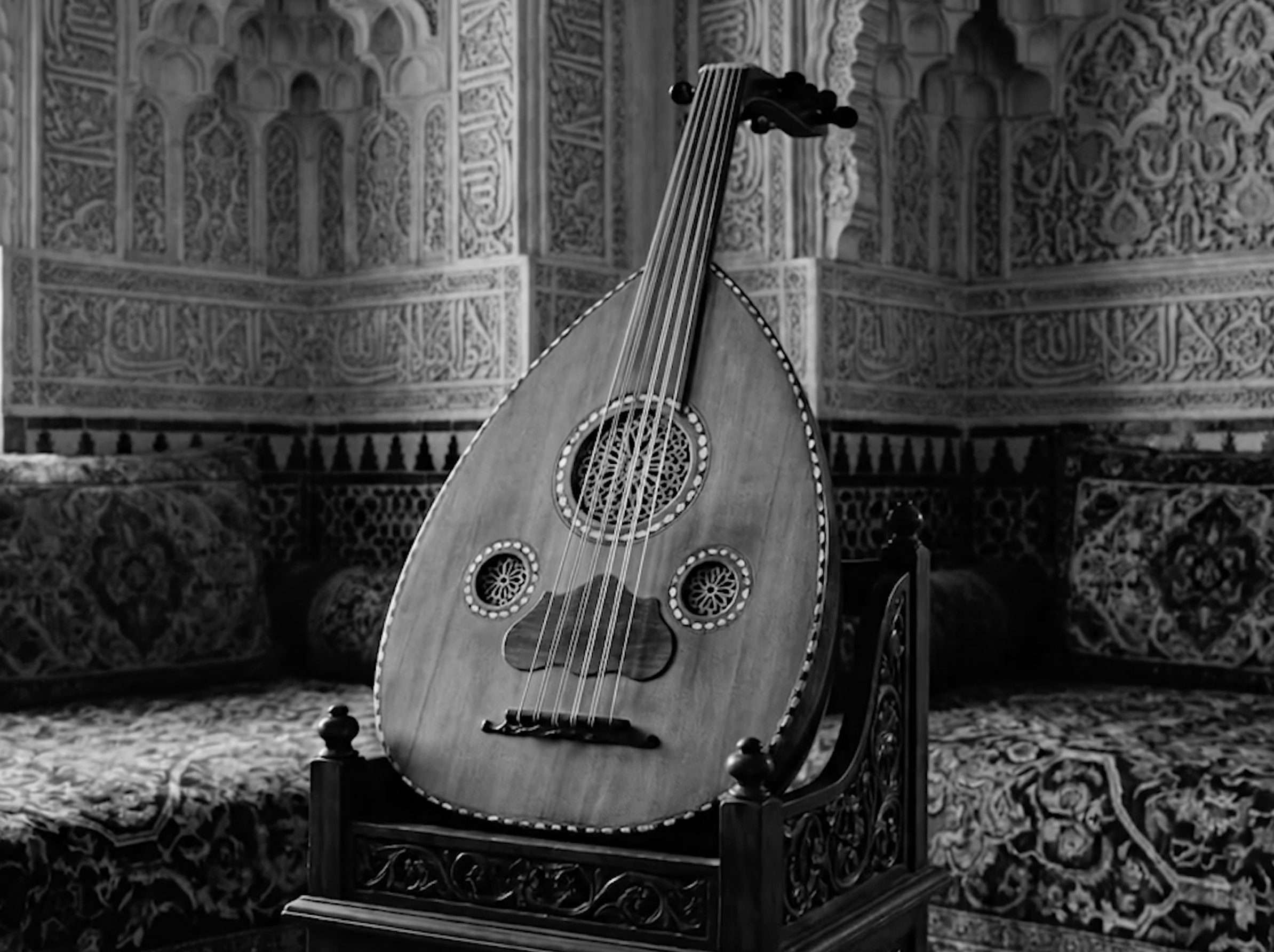
An oud resting before carved plaster walls.
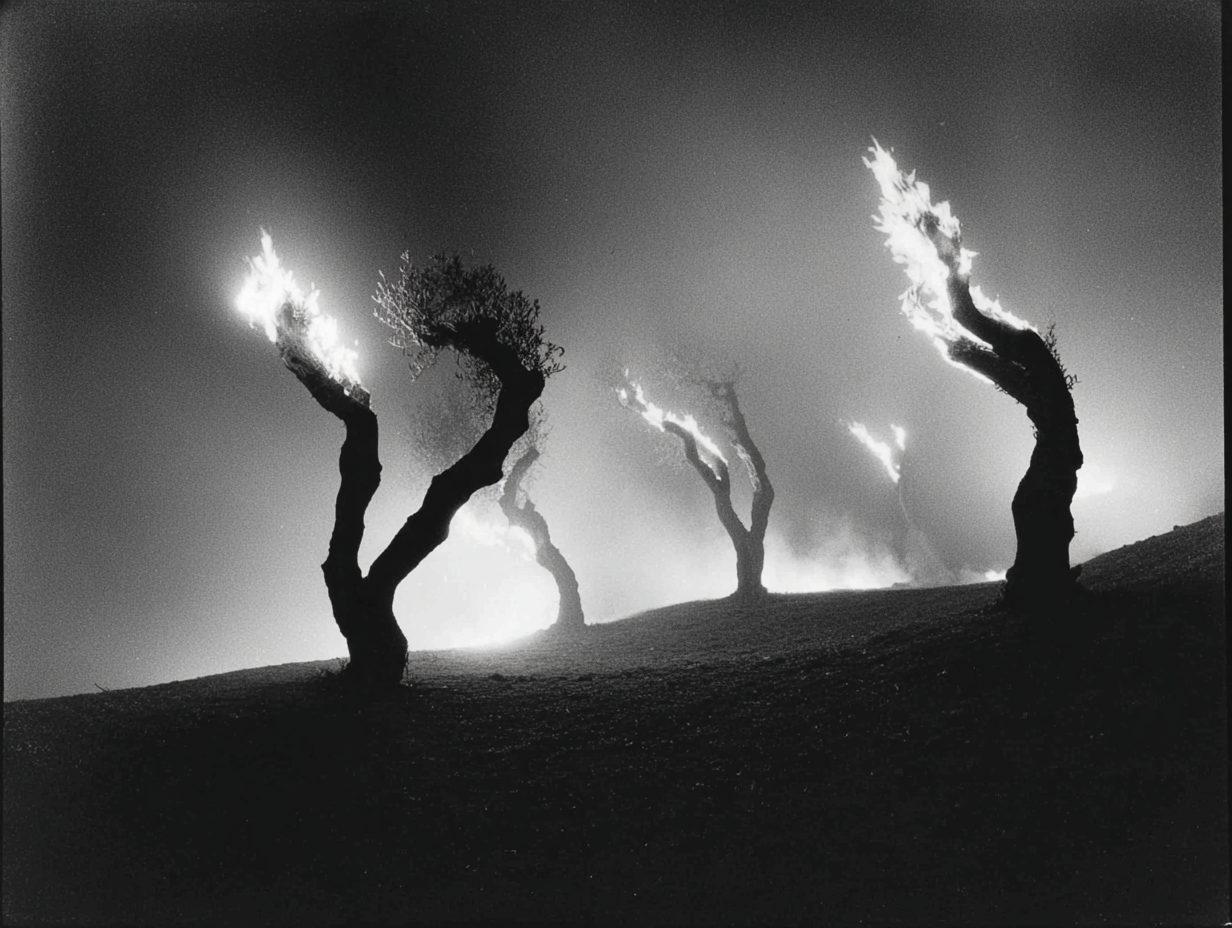
Ancient olive trees burning on a hillside.
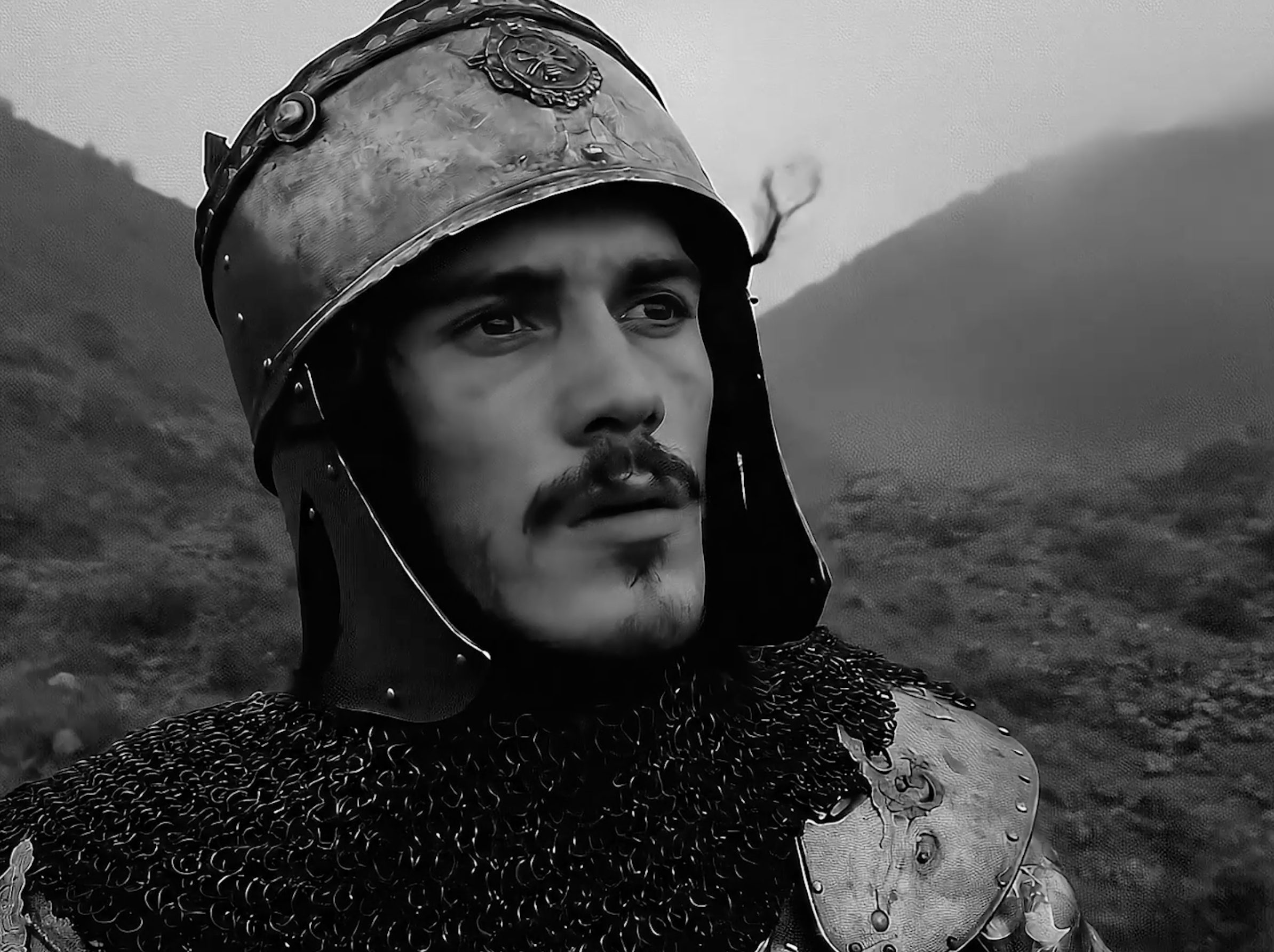
A Castilian soldier in a helmet.
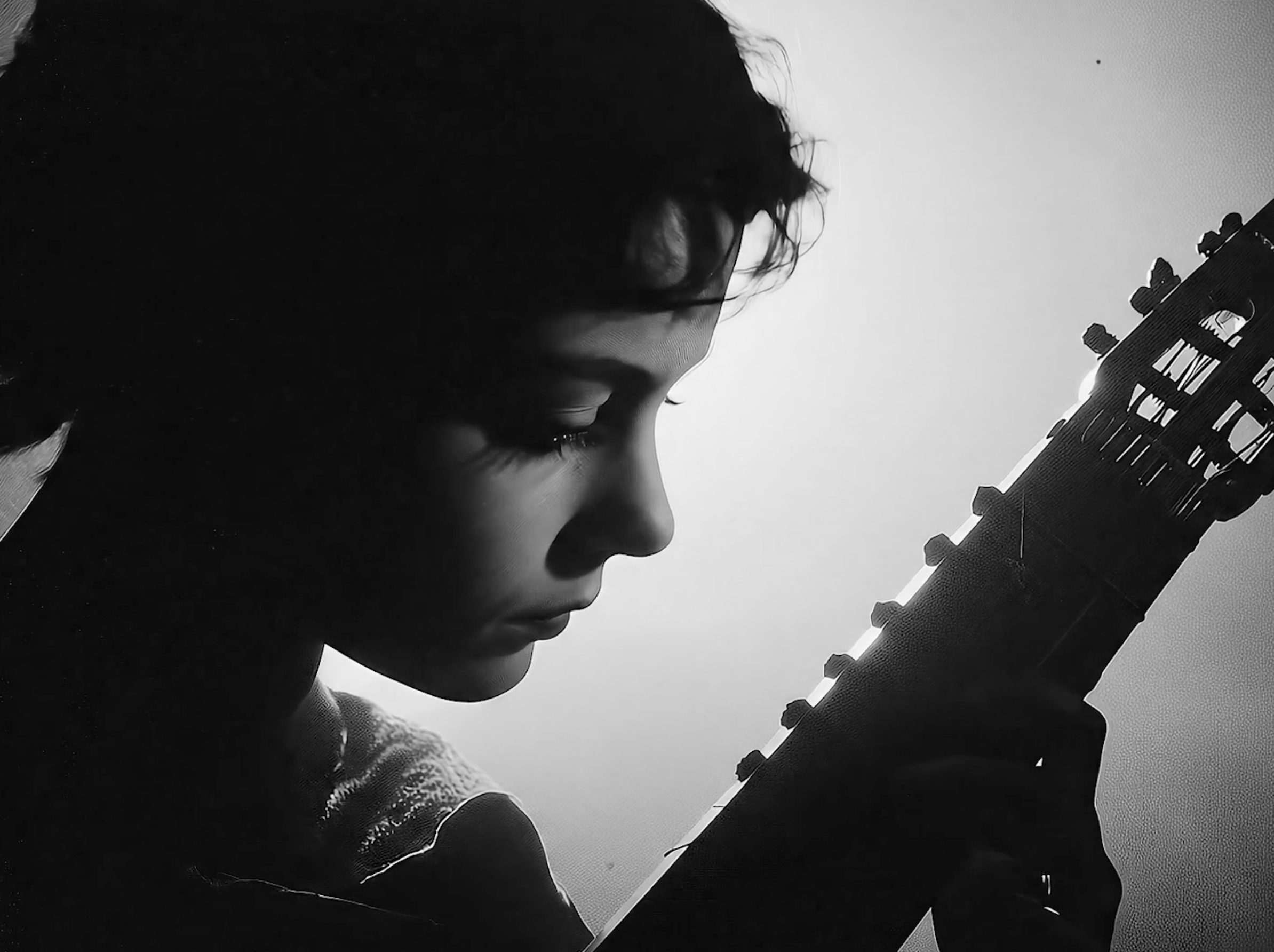
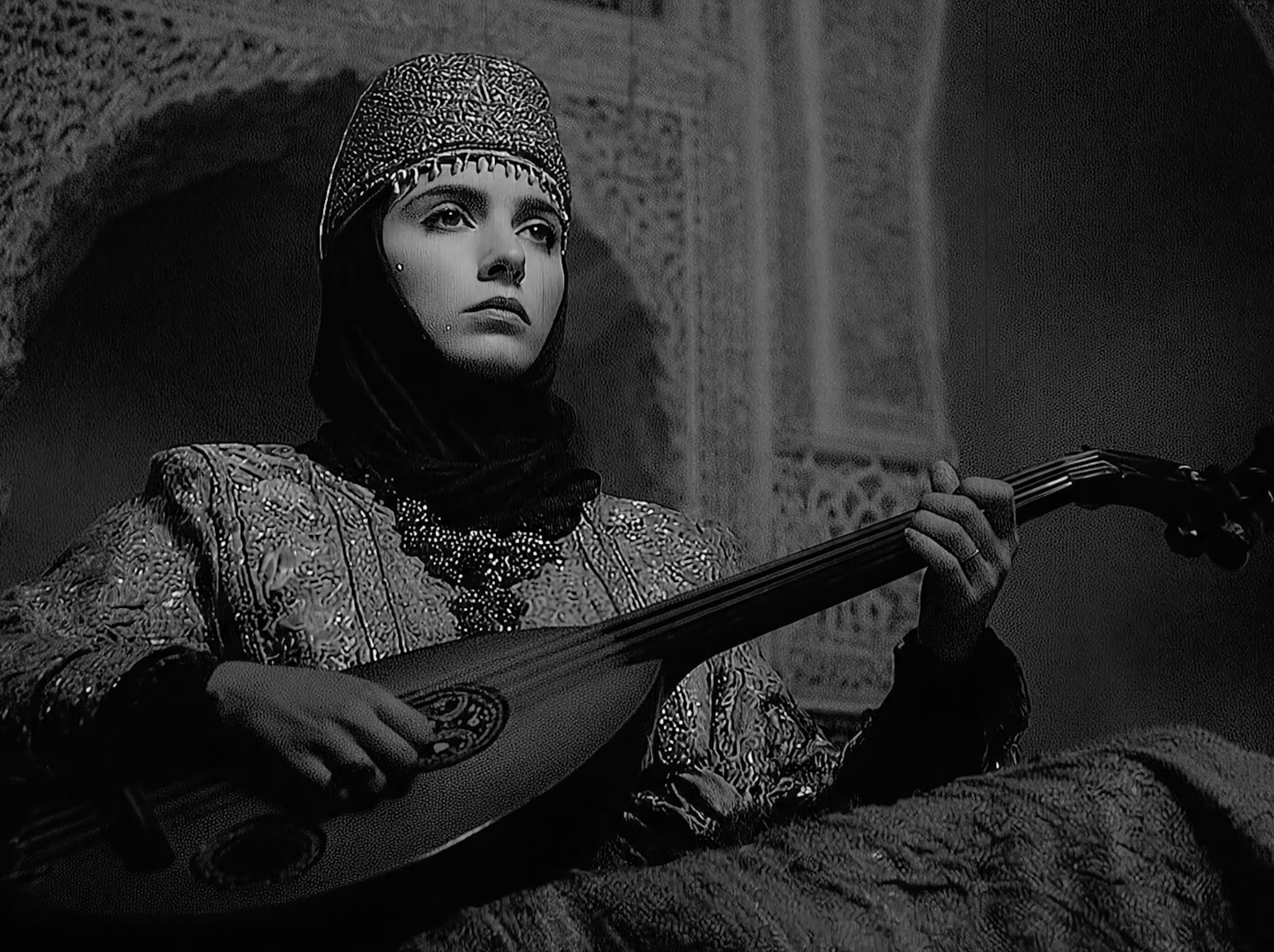
A young woman playing the oud.
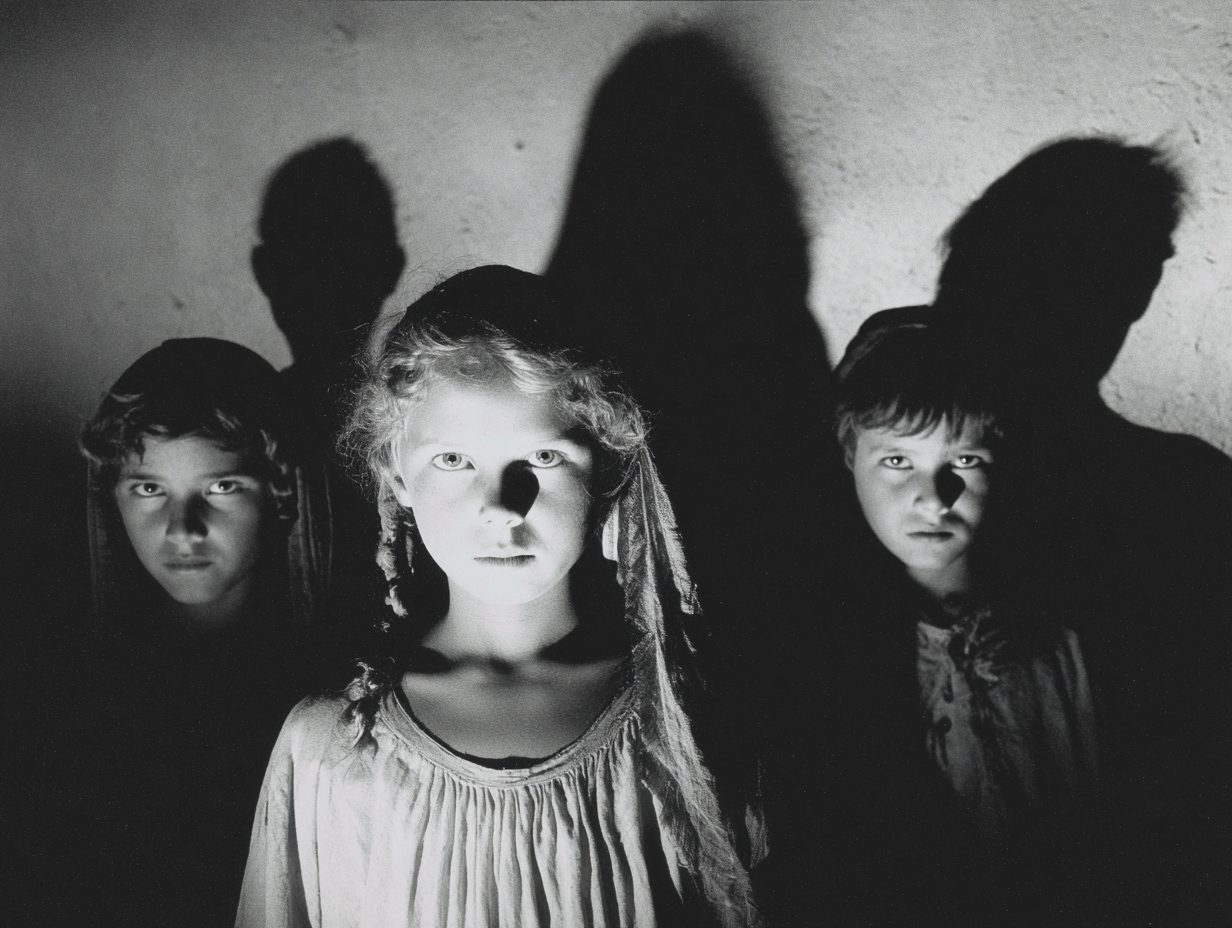
Andalusian children standing in shadow.
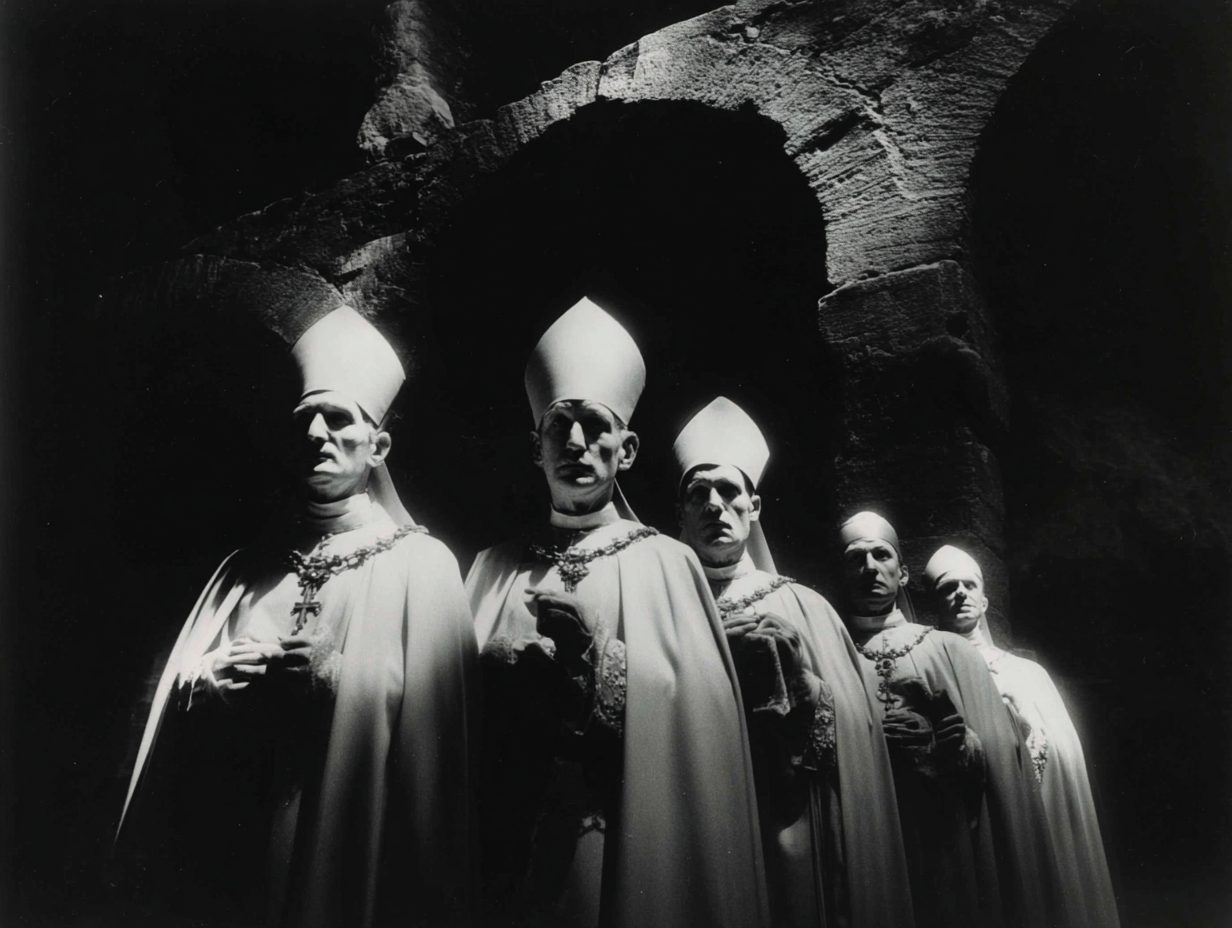
Catholic cardinals beneath a stone arch.
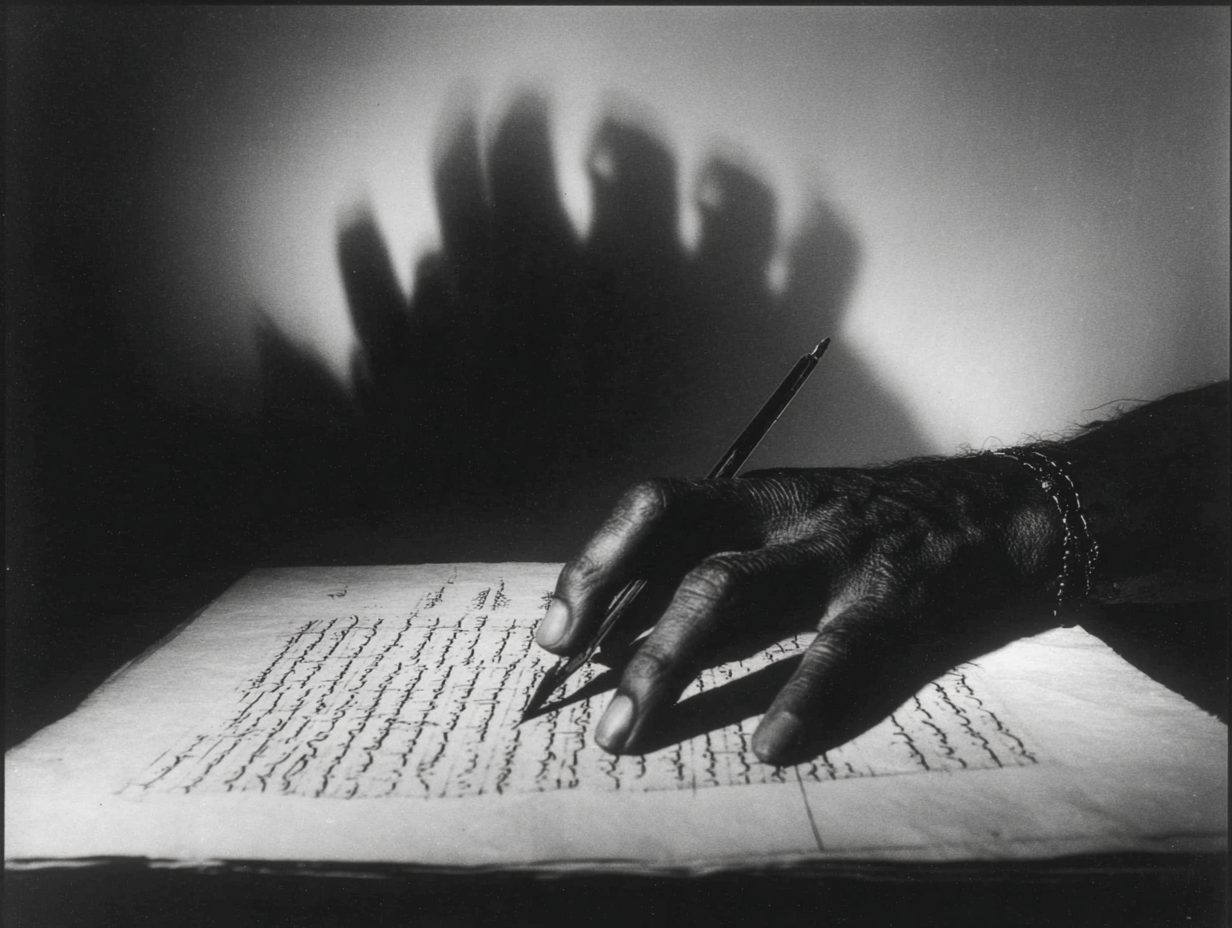
A hand writing Arabic script on parchment.

To sing.

The second form of remembering is carrying what’s forbidden in a form no one can confiscate.

Winner, Best Narrative Short, Rome AI Festival.
Winner, Best Documentary and Art Direction, AI International Film Festival.

The song flows from daughter to daughter.

Nearly four centuries later, it reaches Palestine.

III.

Deyr Yasin

دير ياسين

3:35 · Black & White
Music by Azam Ali & Loga Ramin Torkian

“I did not choose your name, Zahra. You chose it.”

Synopsis

On April 9, 1948, Zionist militias entered Deyr Yasin, a village west of Jerusalem, and killed more than a hundred of its people. Maryam was fourteen, and she survived.

Years later, by the sea, Maryam speaks to her daughter Zahra, and also to the village itself. For a long time she couldn’t bring herself to say its name. Now she says it: O Deyr Yasin, you were my home. She tells Zahra where her own name comes from. On the morning everything ended, as they were being taken away, Maryam saw a flower beside a dead man’s hand, pushing its way out of the earth. Zahra. The flower. She remembered the name and carried it for years, long before she met Zahra’s father and long before her daughter was born.

The film is a letter in images. Voice and picture move between the morning of the massacre and the quiet of a life rebuilt by the water. Deyr Yasin is about what a mother can still give after everything has been taken: a name, which is an inheritance no one can confiscate.

“O Deyr Yasin, you were my home… as though the earth carried every name.”
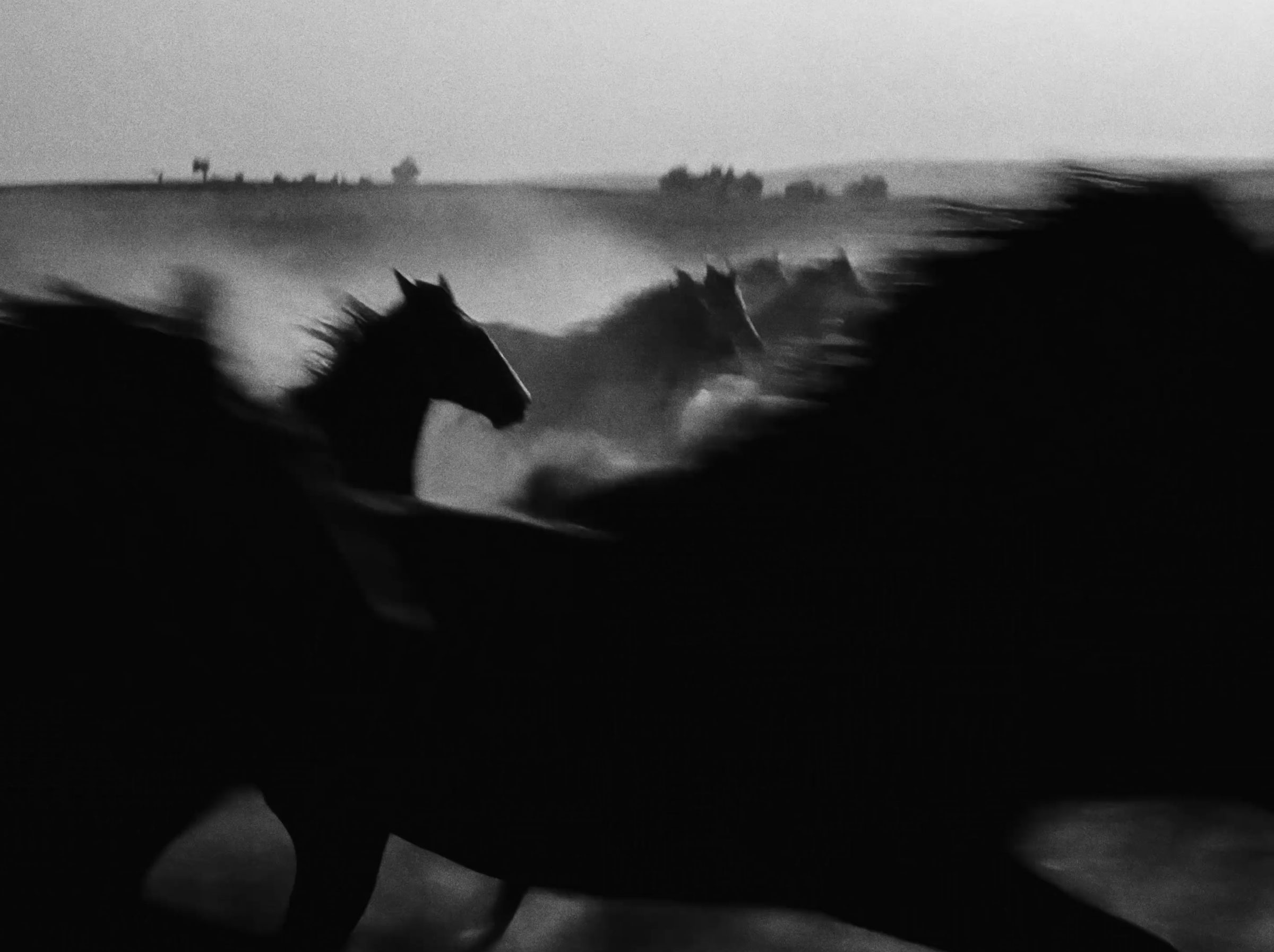
Horses running through dust.
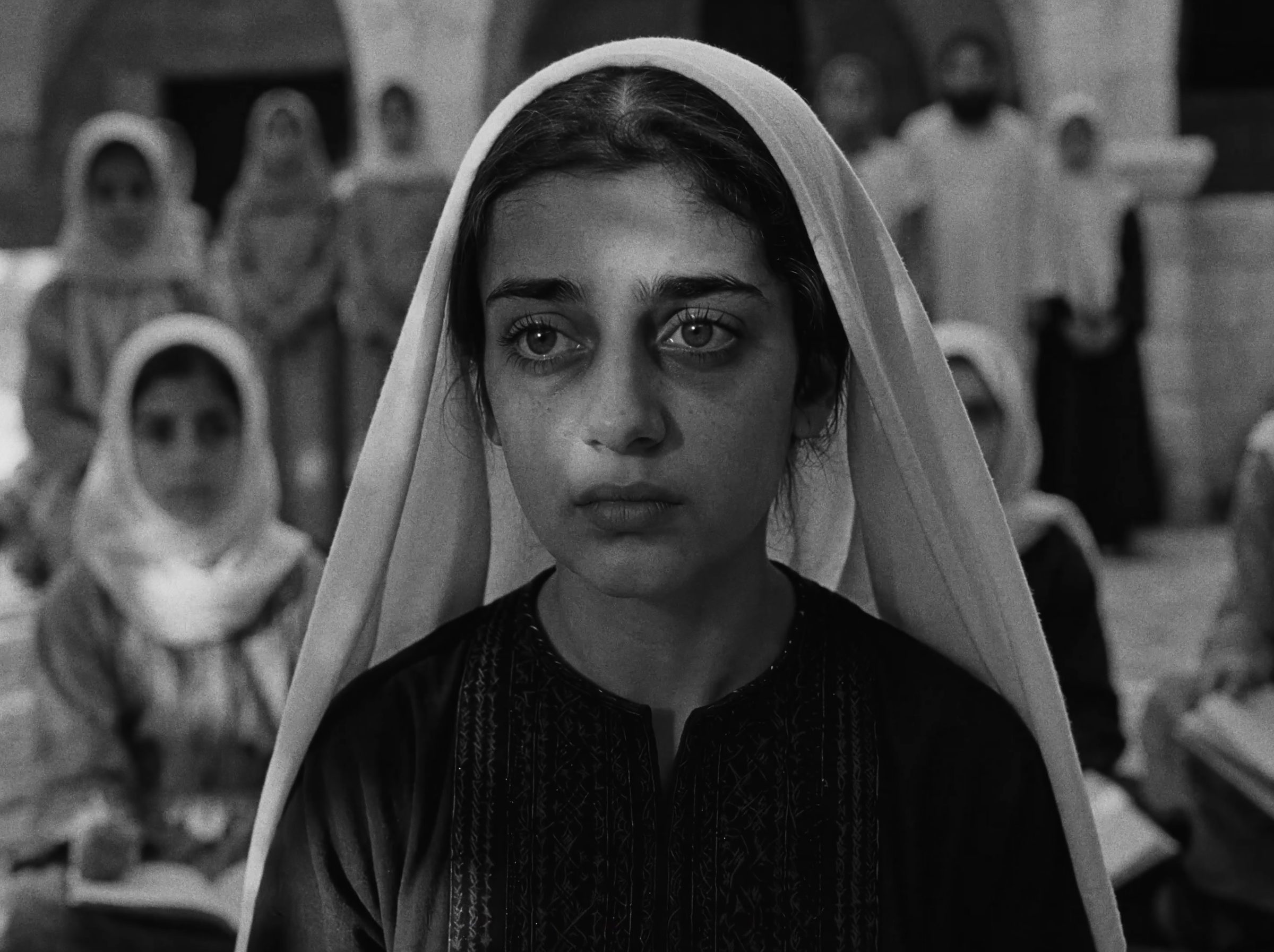
A girl in a white headscarf, other villagers behind her.
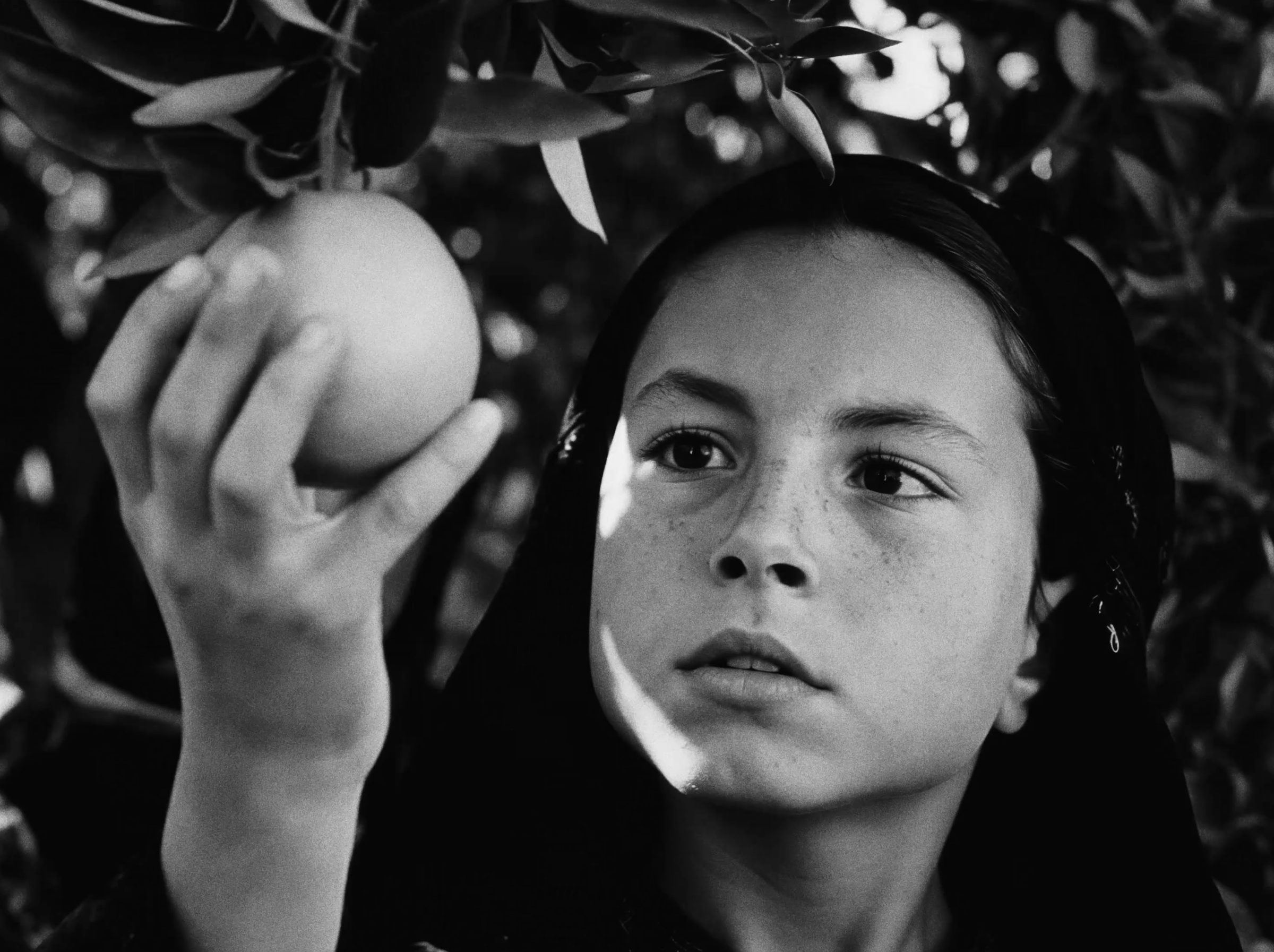
A girl reaching for a fruit on a branch.
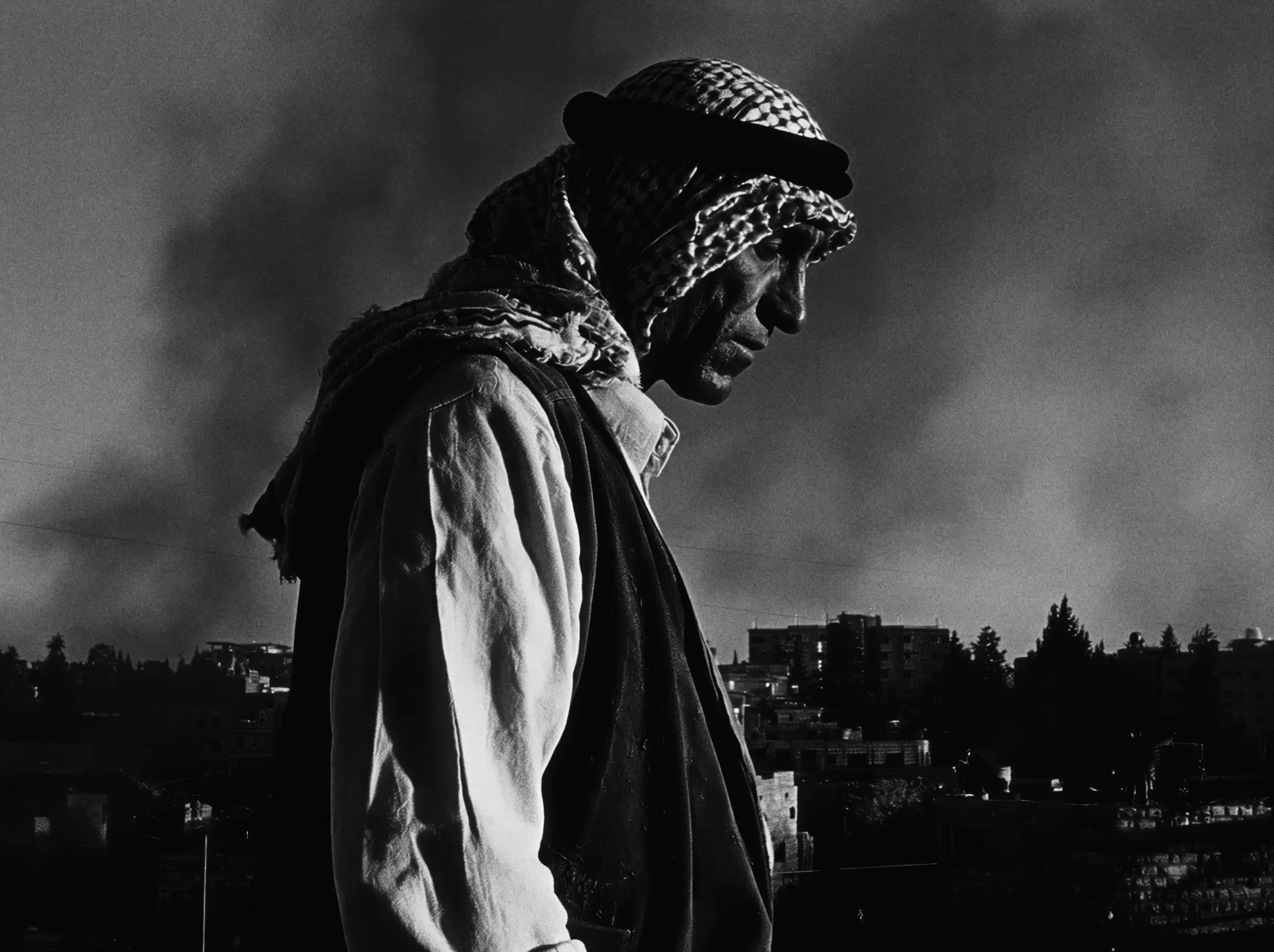
An old man in a keffiyeh before smoke rising over the village.
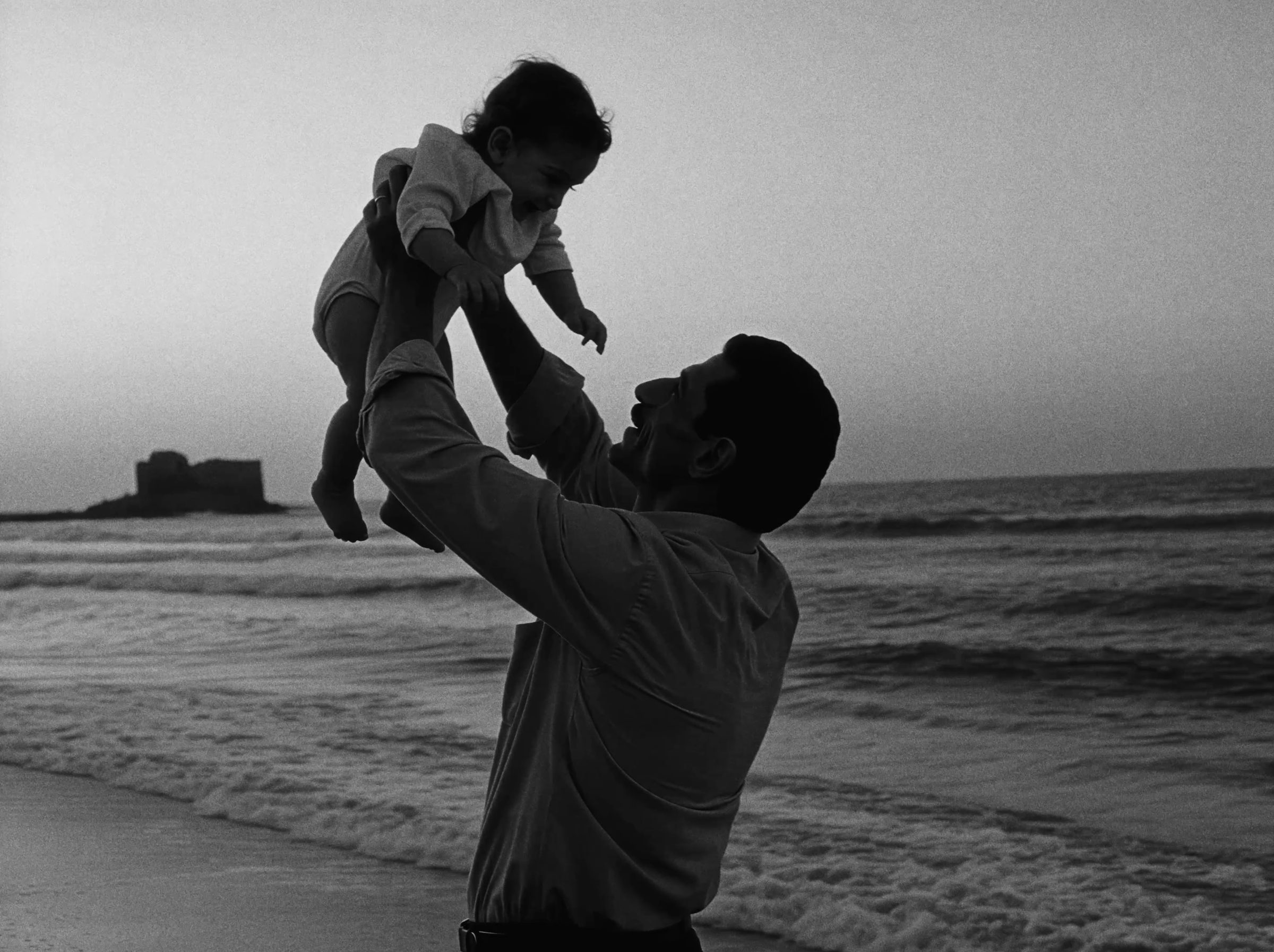
A father lifting his child above the sea.
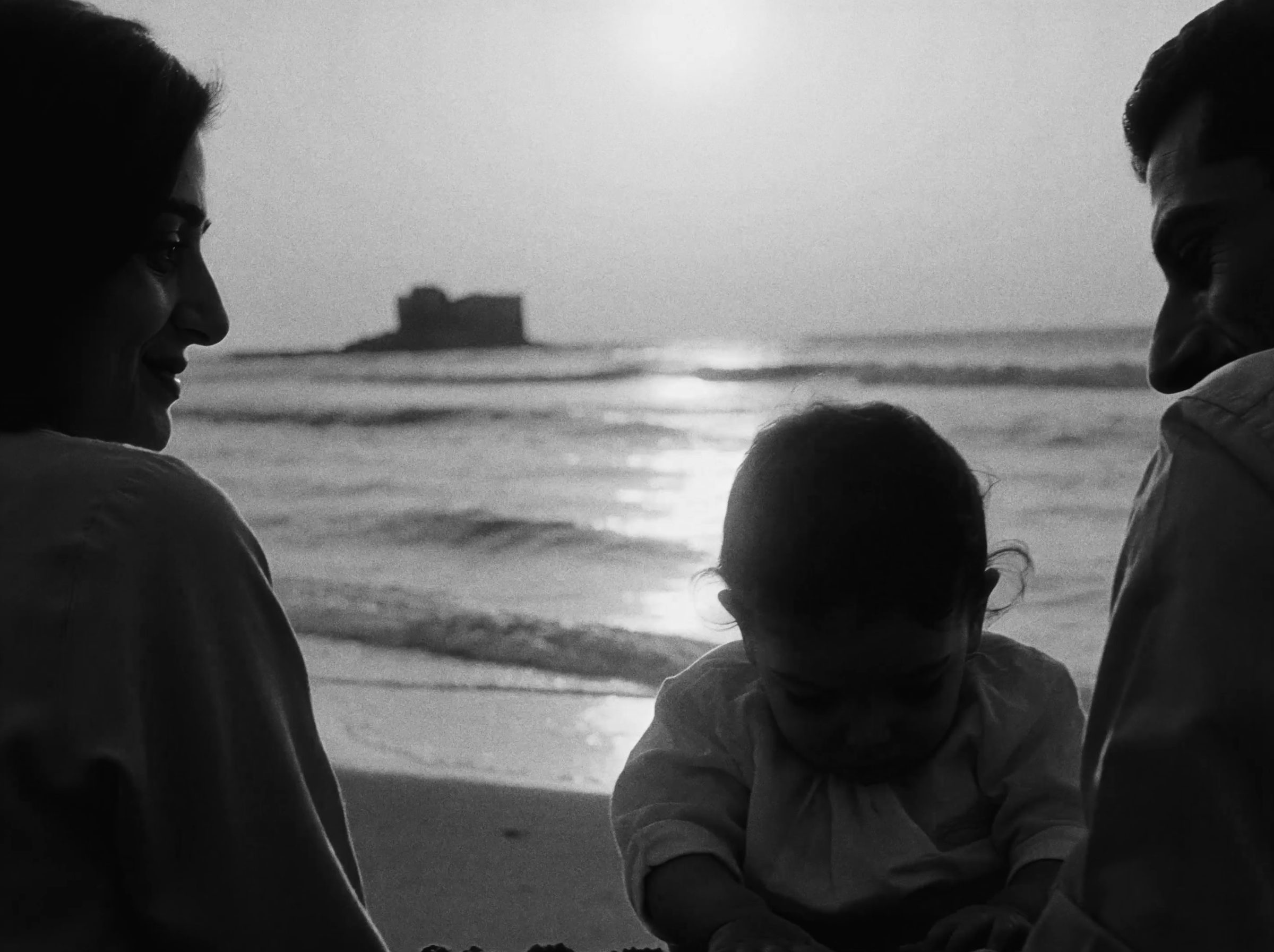
A mother, father and child on the shore at sunset.
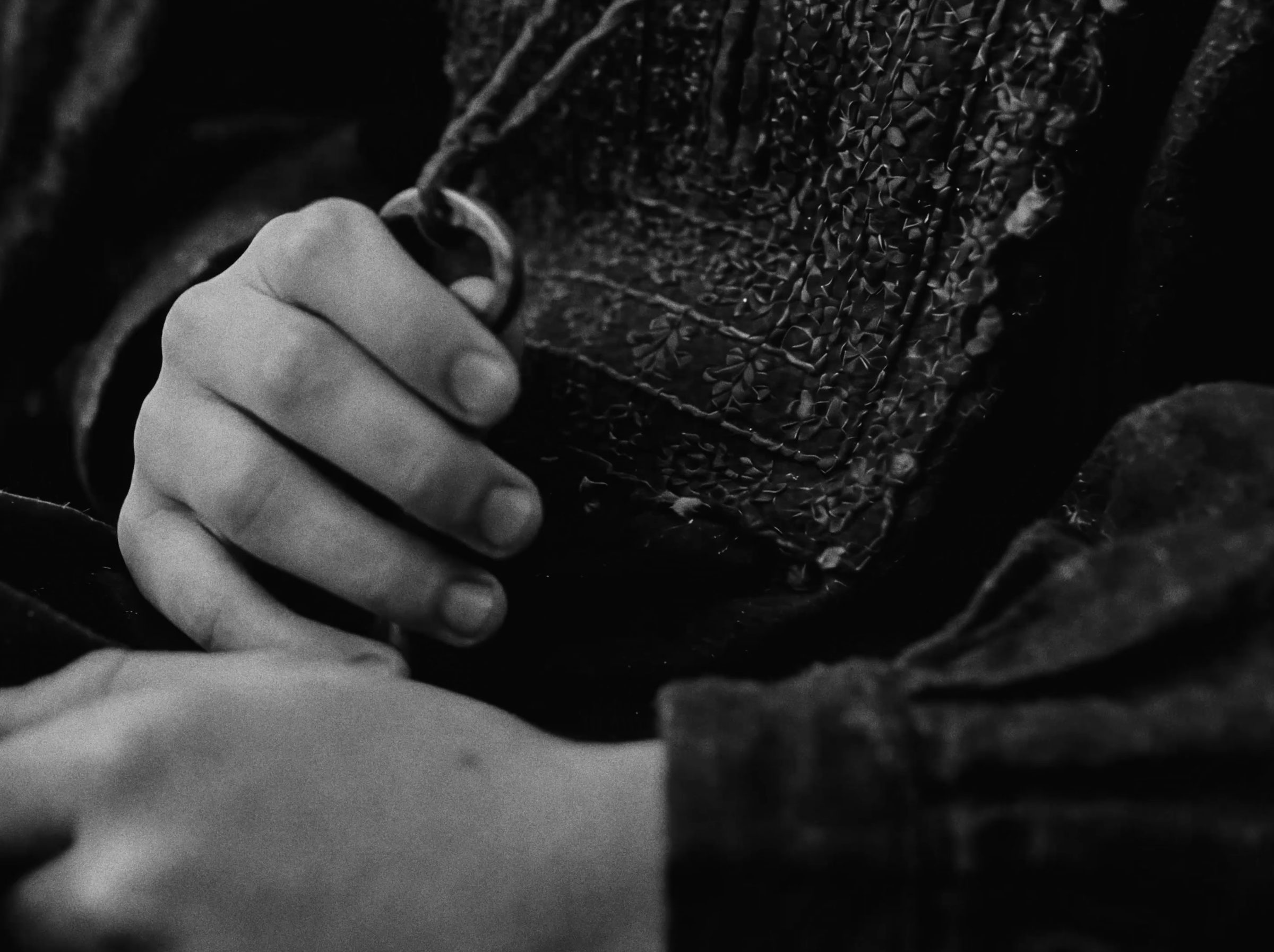
A hand holding embroidered cloth.
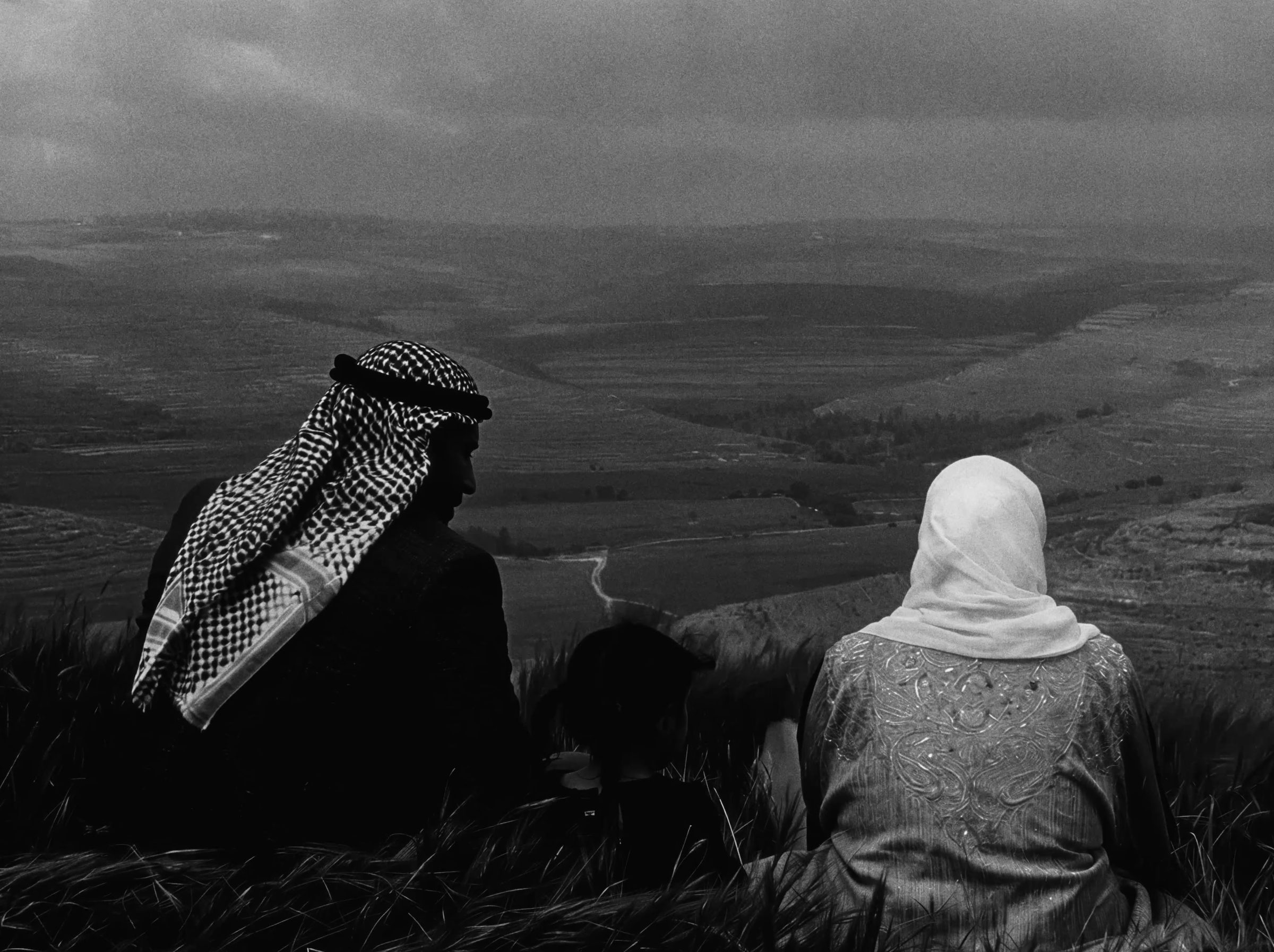
A man and a woman seated, looking out over the valley.

“And now you are gone,
and left me your name to carry with me
like a wound that never heals.”

To name.

The third form of remembering is saying what was erased, out loud, to someone who will carry it forward.

What binds them

Three forms
of remembering

ITo search.
IITo sing.
IIITo name.

The Realm looks back. A daughter speaks to a father she can’t reach.

Deyr Yasin hands it forward. A mother speaks to a daughter who will carry her.

The Morisca sits between them, in the song that flows “from daughter to daughter, and from generation to generation, like a river remembering its source.”

Taken together, the films trace one gesture across centuries: memory passed from hand to hand by the women who survive.

Erasure

Each film is set at the moment a people is told to forget. In The Realm the order is “before they strip us of our memories.” In The Morisca the children are “baptised, separated, and renamed.” In Deyr Yasin the name is so heavy it can’t be spoken. Each film answers the same way, by refusing.

Absence

Every film is built around someone missing: a father, a brother, a village. The camera keeps circling that empty space. In these films grief isn’t something to resolve. It’s a place where people live.

The earth

“What if I held the dust of this land in my hands and kissed it… would you feel my pain?”

The trilogy takes its name from that question. In all three films, the land keeps what people lose. A daughter kneels to kiss the dust of her country. Parents are buried beneath their olive trees. A flower pushes up beside a dead man’s hand. As though the earth carried every name.

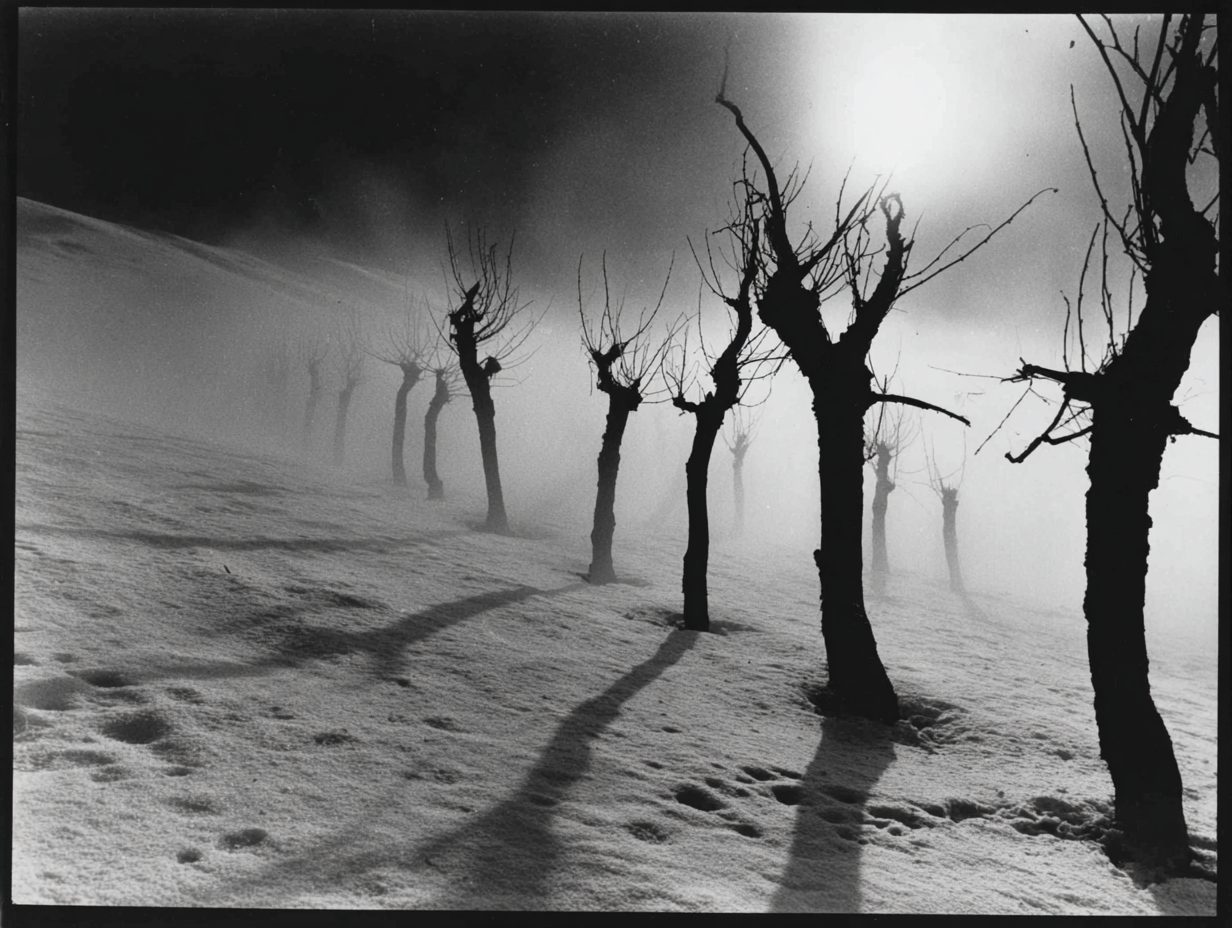
Bare trees in a dusty white landscape.

History

The camera never recorded these histories. No camera stood in the Alpujarras. The disappeared left no photographs in the cells. The morning at Deyr Yasin survives mostly in testimony. These films make images where the archive has none. They aren’t reconstructions. They’re acts of remembrance.

Poetry

None of the three explains itself. Each is spoken in a voice addressed to someone: Baba. Brother. Zahra. Word and image are held in tension, neither one illustrating the other, and the meaning lives in the gap between them.

Black & White

It’s a discipline, not a style. When the world is stripped to light and shadow, presence and absence, only what matters is left.

The making

Each film uses AI image and video generation as its primary medium. That choice comes from the subject, not novelty: the medium can reach places the historical archive can’t.

0+Generated
frames
0Continuous
shot
0Films,
one witness

The Realm was built from more than 450 generated frames joined into a single continuous shot.

The Morisca rebuilt post-Reconquest Spain at a scale no independent production could afford.

Deyr Yasin was shaped to the grain of Kodak Double-X, the film stock of the era it remembers.

Every frame was written, generated, rejected and rewritten until it could hold the weight of what it had to carry.

Seif
Abdalla

A hand writing Arabic script on parchment.

Seif Abdalla is a director and cinematographer based in New York. His work spans documentary for National Geographic and Vice and commercial work for GQ, Vogue, Lancôme and Adidas. His debut feature documentary screened in Cairo, Málaga, Amman and Vienna.

His AI films include The Realm, distributed by MK2 Films; The Morisca, winner of Best Narrative Short at the Rome AI Festival and Best Documentary and Art Direction at the AI International Film Festival; Hanaa, commissioned by Runway; and Deyr Yasin. His work draws on Palestinian history and literature, Sufi thought, and the contemplative cinema of Tarkovsky, Tarr and Bresson.

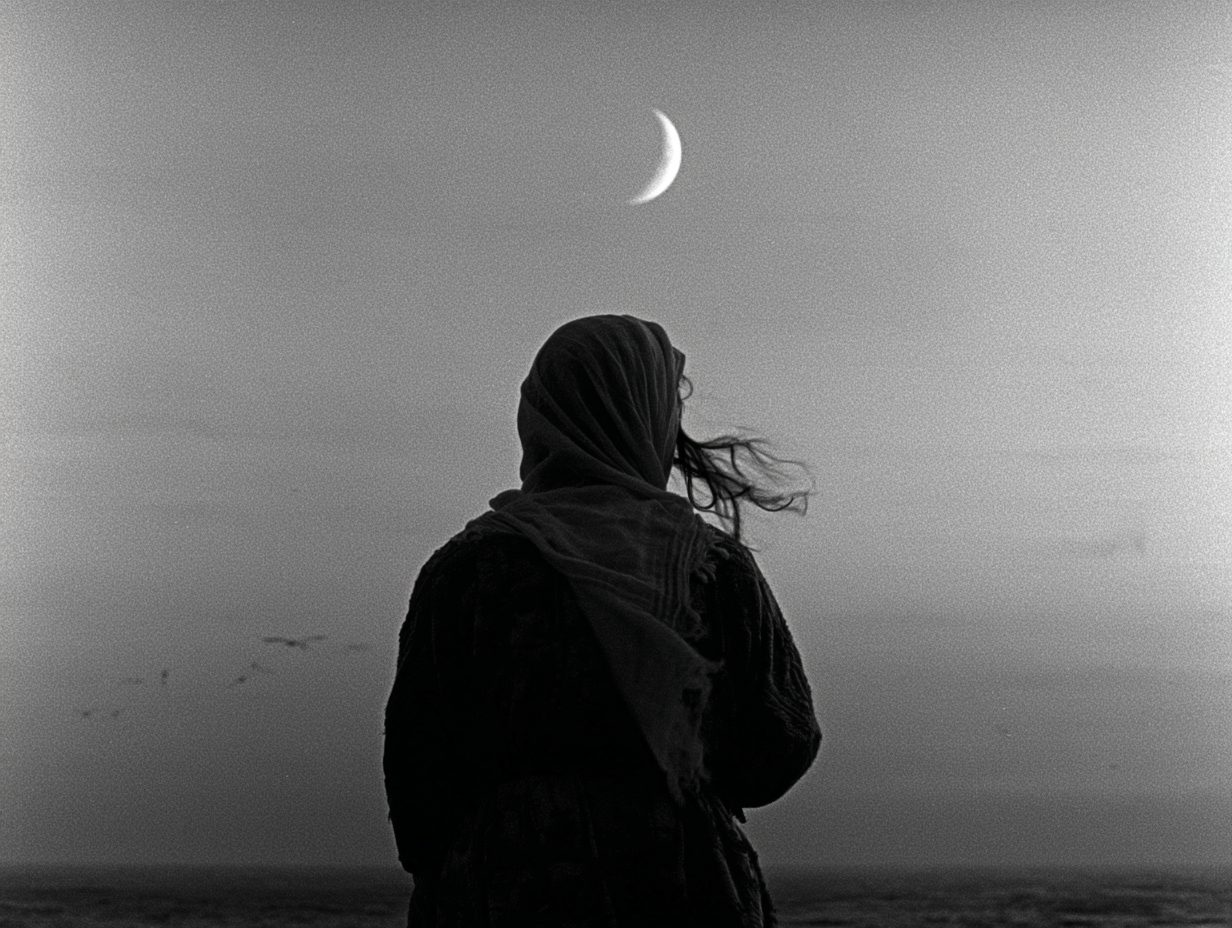
A woman by the sea under a crescent moon, seen from behind.

“Who we were,
and where we came from.”